Gardening Flowers: 12 Beautiful Flowers to Grow for a Colorful and Thriving Garden
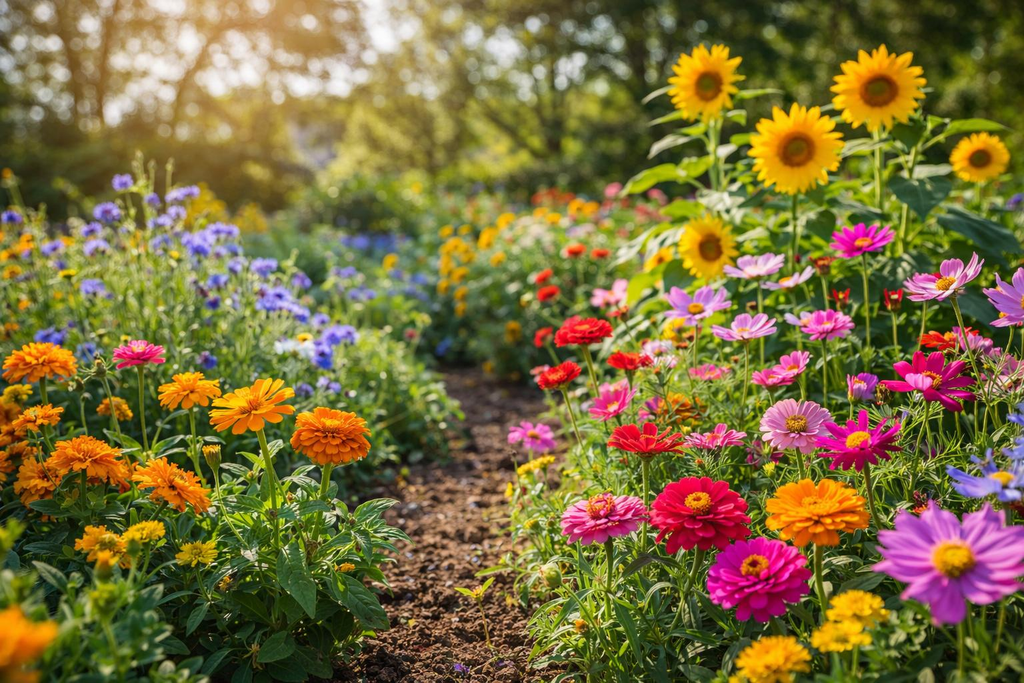
Imagine stepping outside into a garden bursting with colorful blooms, sweet fragrances, and butterflies dancing from flower to flower. Sounds dreamy, right? The good news is that creating a beautiful flower garden doesn’t have to be complicated or expensive.
Whether you have a spacious backyard, a small patio, or just a few containers on your balcony, gardening flowers is one of the easiest ways to bring life and personality to your outdoor space.
From cheerful sunflowers to romantic roses, there are countless flowers that can transform an ordinary garden into something truly special.
In this guide, we’ll explore 12 gorgeous flowers to grow, along with practical planting tips, care advice, and simple ideas to help your garden flourish throughout the growing season.
1. Roses – The Timeless Beauty of Every Garden
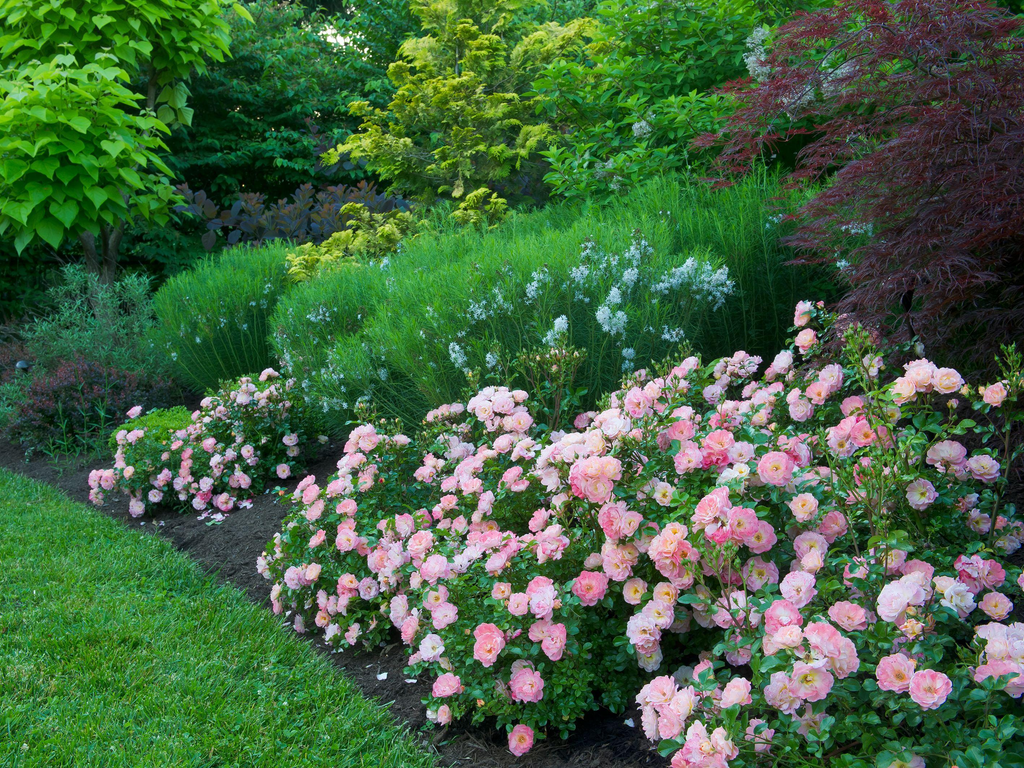
Roses are easily among the most beloved garden flowers, and it’s not hard to understand why. Their elegant petals, beautiful colors, and delightful fragrance make them a favorite for gardeners everywhere.
From classic red roses to soft pink and creamy white varieties, these flowers instantly add charm to any outdoor space.
Most roses grow best with at least six hours of direct sunlight daily. They also appreciate well-drained soil enriched with organic matter.
Growing tip: Water roses deeply near the base rather than soaking their leaves. This helps reduce the risk of fungal diseases.
For beginners, shrub roses and disease-resistant landscape varieties are often easier to maintain than delicate hybrid tea roses.
2. Marigolds – Bright and Cheerful Blooms
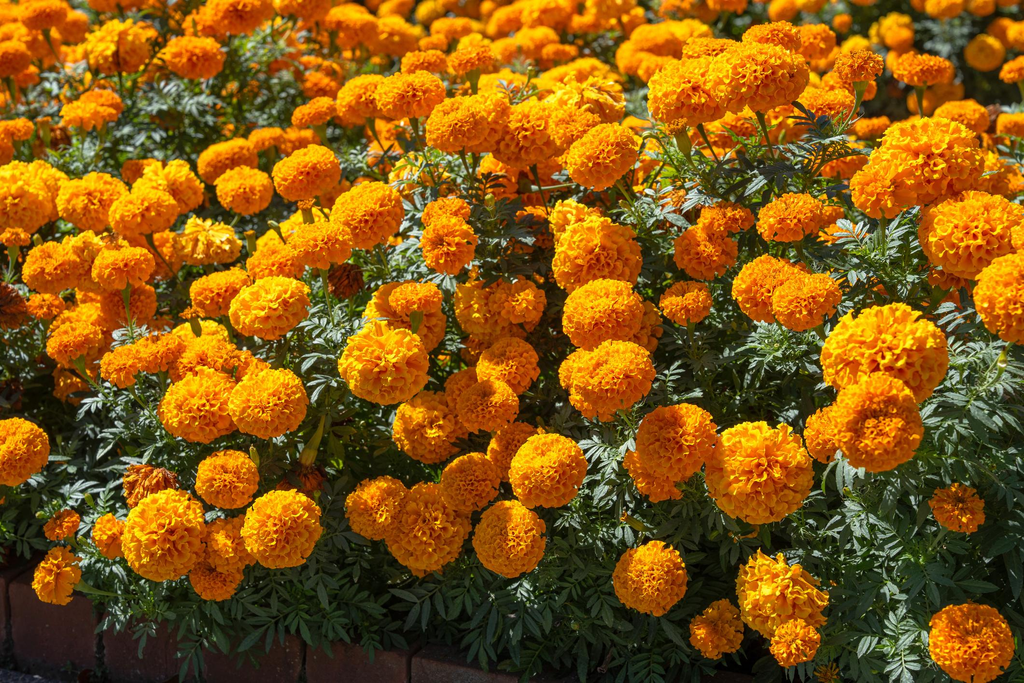
If you’re looking for flowers that are colorful, affordable, and easy to grow, marigolds deserve a spot in your garden.
Their sunny yellow, orange, and golden blooms create a cheerful atmosphere, especially when planted along pathways or vegetable garden borders.
Marigolds thrive in full sunlight and generally tolerate warm weather beautifully. Once established, they need relatively little attention.
Growing tip: Remove faded blooms regularly to encourage additional flowers.
You can also grow marigolds in containers, raised beds, or alongside vegetables. Their bright colors attract beneficial insects, although they won’t eliminate every garden pest.
3. Lavender – Fragrance and Relaxation
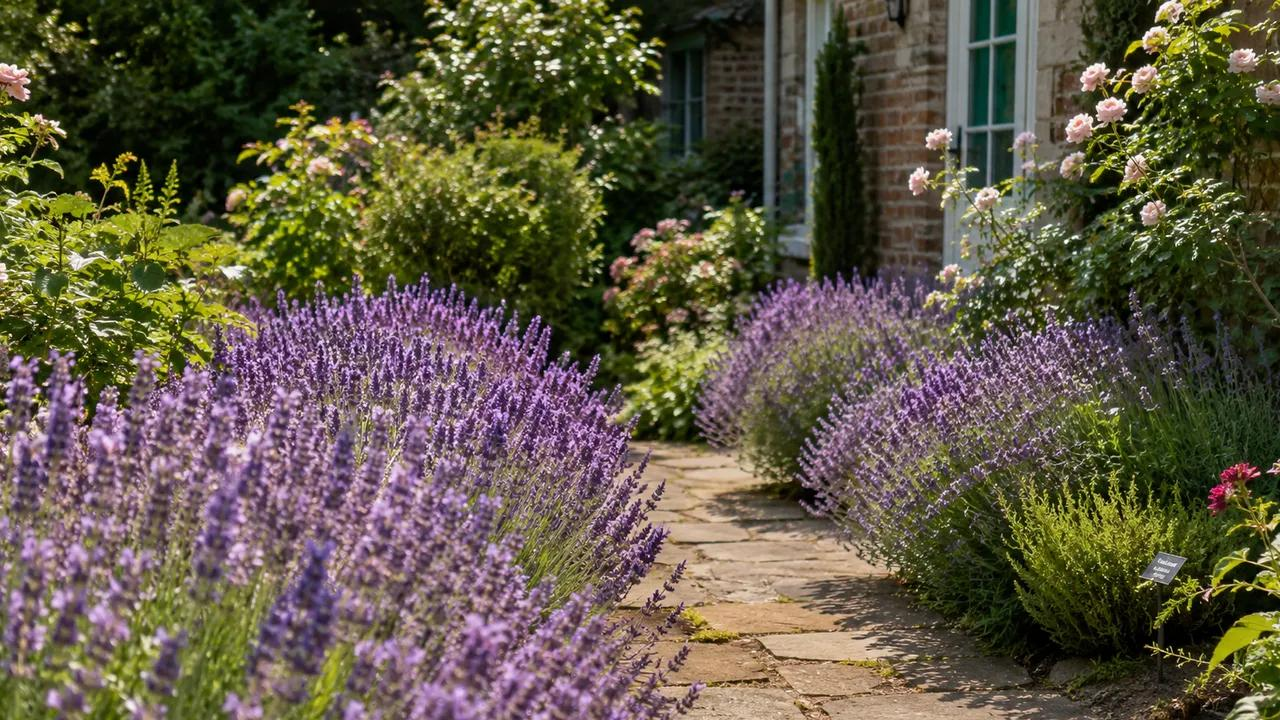
Few flowers create a peaceful garden atmosphere quite like lavender.
Its delicate purple flower spikes and soothing fragrance make it perfect for borders, pathways, and Mediterranean-inspired gardens.
Lavender loves sunshine, excellent drainage, and relatively dry conditions. In fact, overwatering is one of the most common reasons lavender plants struggle.
Plant it near a seating area where you can enjoy its scent while relaxing outdoors.
Growing tip: Avoid heavy, waterlogged soil. Raised beds or containers with a gritty potting mix can help improve drainage.
Lavender also attracts bees and other pollinators, making it a beautiful addition to a wildlife-friendly garden.
4. Sunflowers – Tall, Bold, and Beautiful
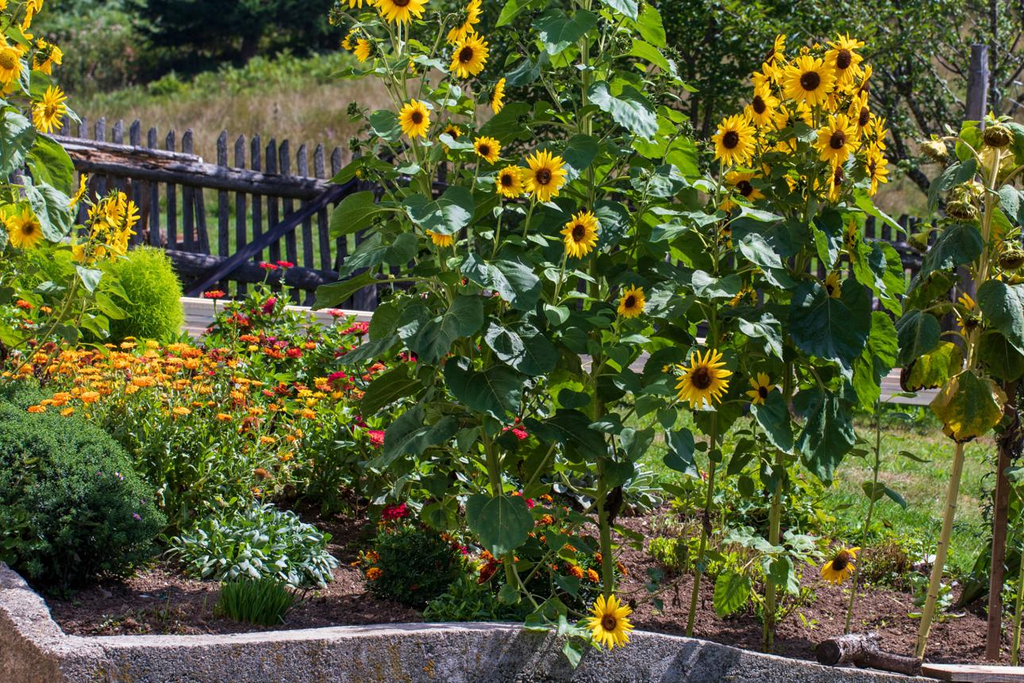
Want to make a dramatic statement in your flower garden? Sunflowers are an excellent choice.
With their large golden blooms and impressive height, these cheerful flowers instantly become the center of attention.
Sunflowers are especially wonderful for planting along fences, at the back of flower beds, or in dedicated cutting gardens.
Most varieties prefer full sun and moderately fertile, well-drained soil.
Growing tip: Sow sunflower seeds directly into the ground after the danger of frost has passed.
Choose dwarf varieties for smaller spaces and containers, or grow tall branching varieties if you want an eye-catching summer display.
5. Zinnias – A Rainbow of Summer Colors
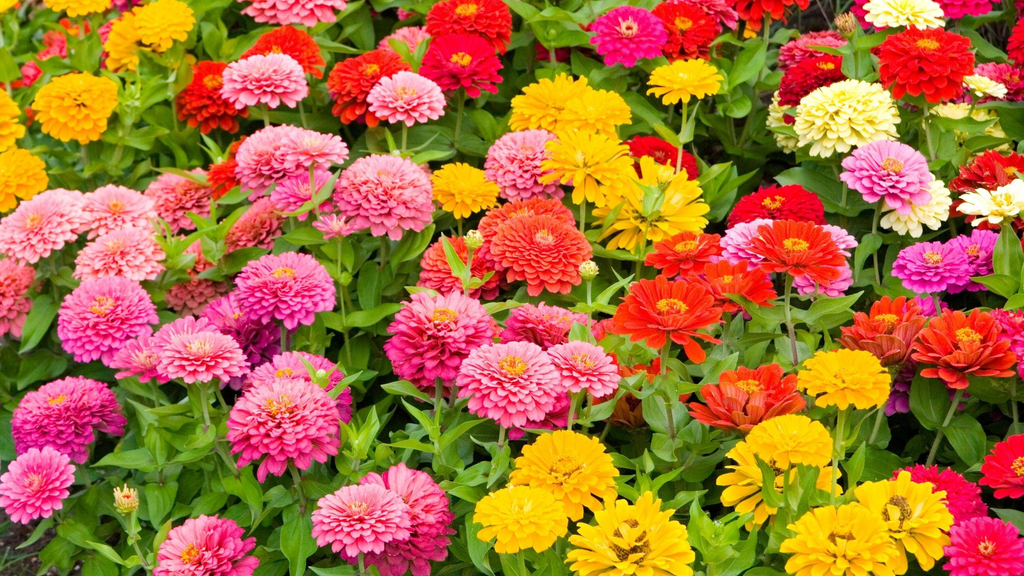
Zinnias are a dream come true for anyone who loves bright, colorful flowers without complicated maintenance.
Available in pink, red, orange, purple, yellow, and white, these annual flowers can keep your garden looking lively for months.
They grow quickly from seed and bloom generously during warm weather.
Zinnias also make excellent cut flowers, so you can bring a little garden beauty indoors.
Growing tip: Give plants enough space for good air circulation and water at soil level to reduce powdery mildew.
Plant several colors together for a playful cottage-garden appearance.
6. Petunias – Perfect Flowers for Pots and Hanging Baskets
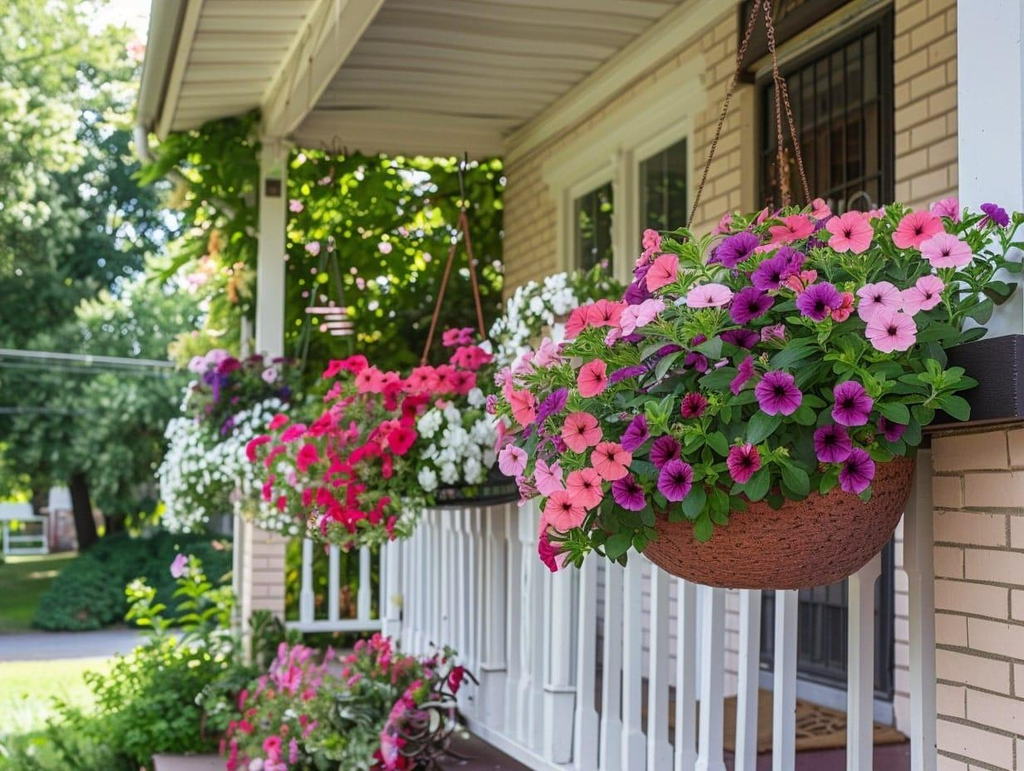
Not every beautiful flower needs a large garden bed. Petunias prove that even a small balcony can become a colorful retreat.
These lovely flowers are especially popular in hanging baskets, window boxes, and decorative containers.
Their trumpet-shaped blooms appear in a wide range of colors, including soft pastels and bold, dramatic shades.
Petunias generally prefer plenty of sunshine and consistent moisture.
Growing tip: Feed container-grown petunias with a balanced fertilizer according to the product instructions.
Regular trimming can also help prevent plants from becoming leggy and encourage fresh growth.
7. Daisies – Simple and Charming Garden Favorites
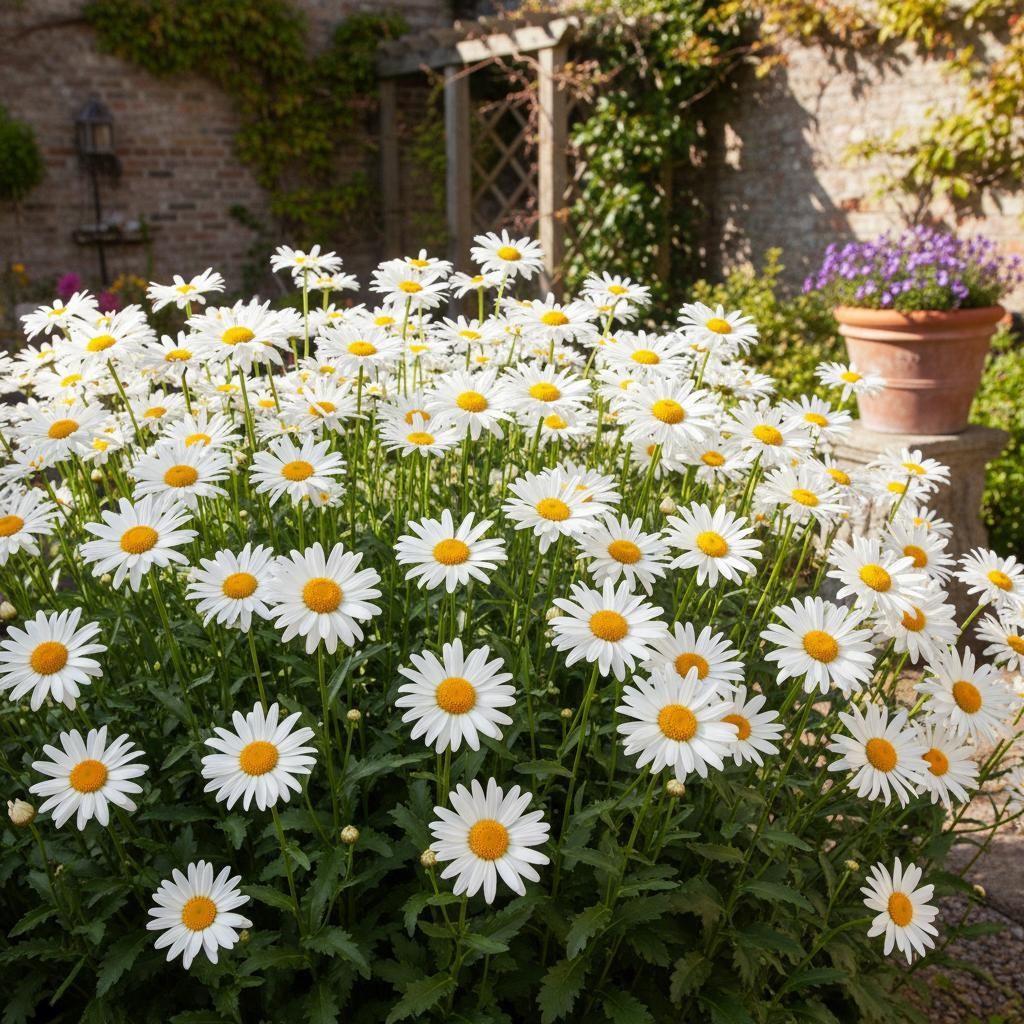
Sometimes the simplest flowers make the biggest impression.
Daisies, with their white petals and cheerful yellow centers, bring a fresh, natural look to flower beds.
Shasta daisies are particularly popular because they produce attractive blooms and return year after year in suitable climates.
They work beautifully alongside lavender, coneflowers, and ornamental grasses.
Growing tip: Plant Shasta daisies in full sun and well-drained soil, and divide crowded clumps every few years.
Their classic appearance makes them ideal for relaxed, cottage-style landscapes.
8. Cosmos – Delicate Flowers With an Airy Appearance
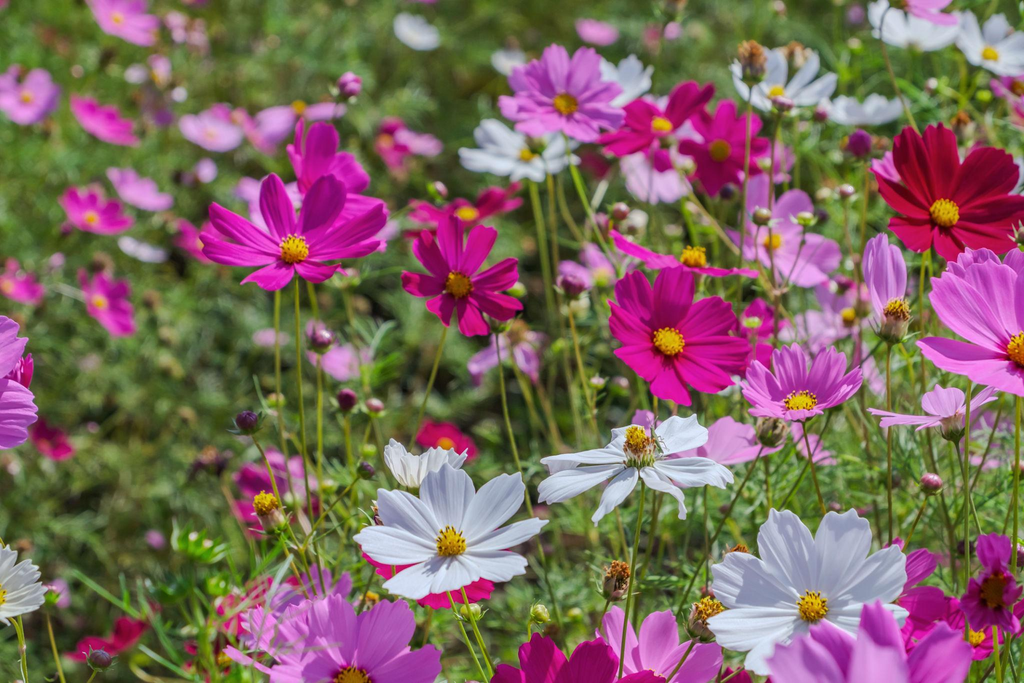
If you love a soft, romantic garden style, cosmos flowers are worth trying.
Their delicate petals and feathery foliage create a light, flowing appearance that looks beautiful in informal flower beds.
Cosmos are usually grown as annuals and are particularly well suited to sunny locations.
They can also tolerate relatively poor soil, making them a practical option for gardeners who want an easygoing plant.
Growing tip: Avoid excessive fertilizer, which can encourage leafy growth instead of flowers.
Plant cosmos in groups for a dreamy meadow-inspired effect.
9. Hydrangeas – Big Blooms for Elegant Gardens
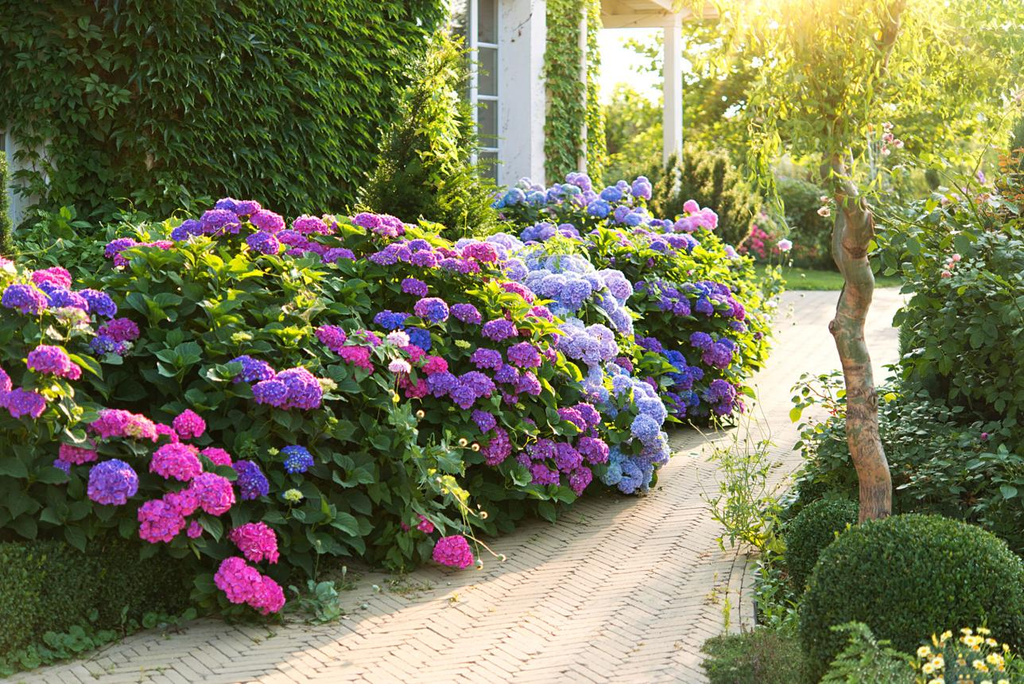
Hydrangeas are perfect when you want flowers that look luxurious without needing elaborate garden decorations.
Their large, rounded flower clusters create beautiful displays in garden borders and beside pathways.
Depending on the variety, hydrangeas produce white, pink, blue, purple, or greenish blooms.
Many types prefer morning sunlight with afternoon shade, particularly in hot climates.
Growing tip: Keep the soil consistently moist and add mulch to help protect the roots from excessive heat.
Choose your hydrangea variety carefully, since pruning requirements differ and some types bloom on older stems.
10. Tulips – A Beautiful Welcome to Spring
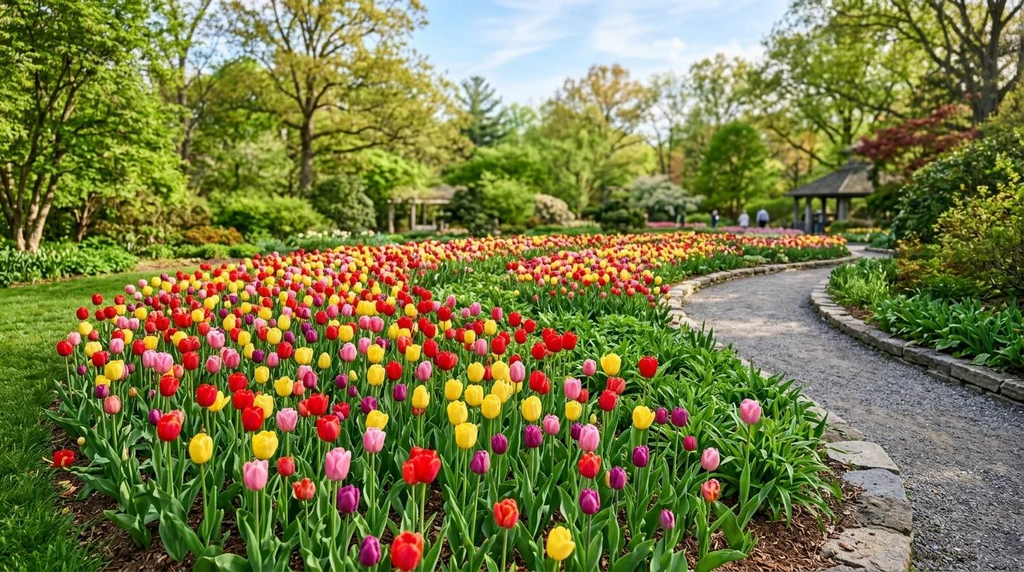
Nothing announces spring quite like a garden filled with colorful tulips.
Their elegant, cup-shaped flowers create a polished appearance in borders, containers, and formal planting arrangements.
Tulips come in almost every color imaginable, making them easy to coordinate with your garden’s overall theme.
They grow from bulbs planted in autumn in climates with sufficiently cold winters.
Growing tip: Plant tulip bulbs in well-drained soil, following the recommended depth for your variety.
In warm regions, bulbs may need pre-chilling, and tulips are often treated as seasonal flowers rather than reliable perennials.
11. Coneflowers – Beautiful Blooms That Attract Pollinators
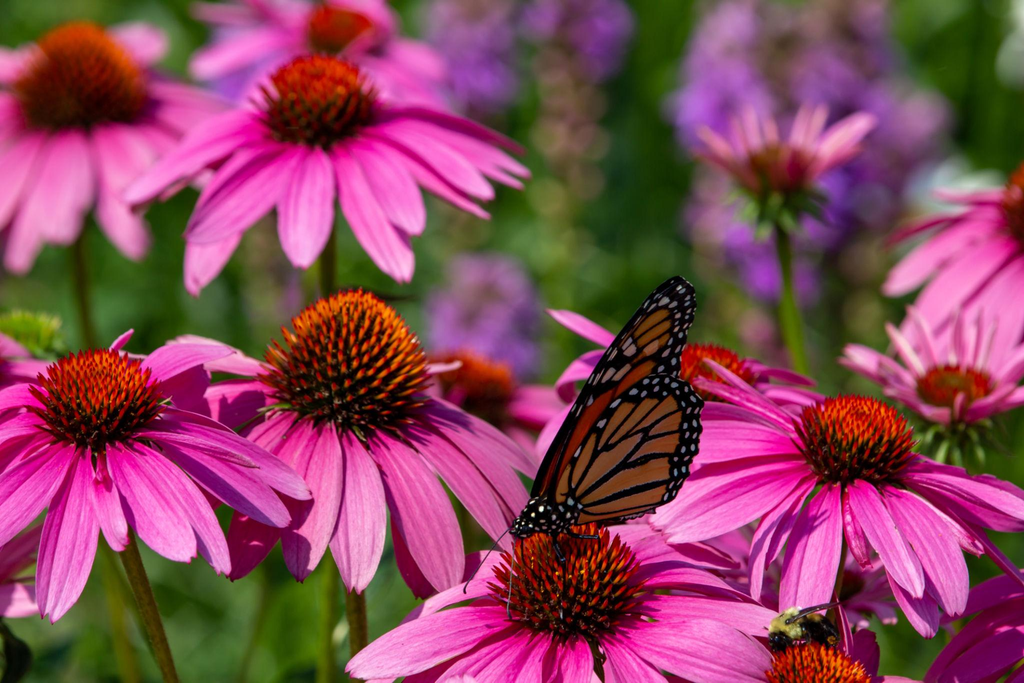
Coneflowers are a wonderful choice for gardeners who want beauty and wildlife-friendly planting.
Their distinctive raised centers and colorful petals add texture and interest to flower beds.
Purple coneflower is especially popular, although cultivated varieties come in orange, yellow, pink, and white.
Once established, many coneflowers tolerate periods of dry weather.
Growing tip: Leave some seed heads standing after flowering to provide food for visiting birds.
Combine coneflowers with ornamental grasses and black-eyed Susans for a natural prairie-inspired garden.
12. Dahlias – Spectacular Flowers for Late-Season Color
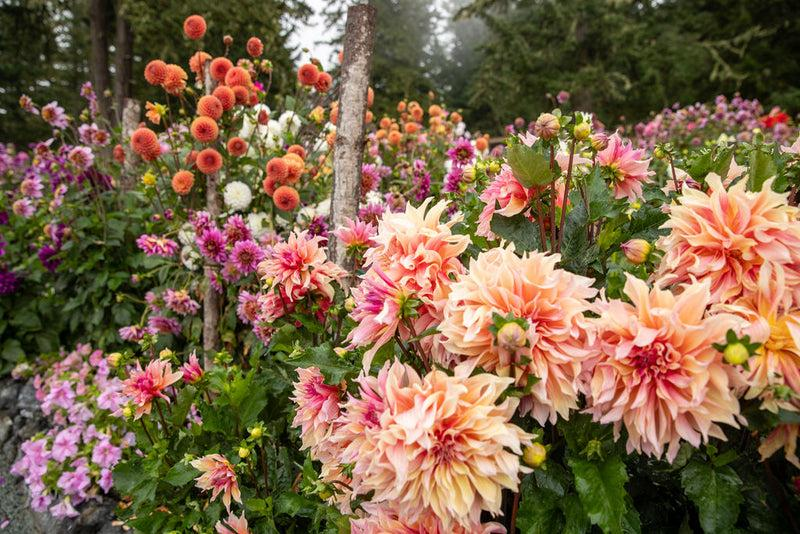
If you want flowers that truly steal the show, dahlias are hard to beat.
These stunning plants produce everything from small pom-pom blooms to enormous dinner-plate flowers.
Their incredible variety makes them perfect for colorful garden borders and fresh floral arrangements.
Dahlias grow best in sunny locations with fertile, well-drained soil.
Growing tip: Support taller varieties with stakes and remove spent blooms to keep plants flowering.
In colder climates, dahlia tubers may need to be lifted and stored indoors during winter.
Essential Tips for Growing Healthy Garden Flowers
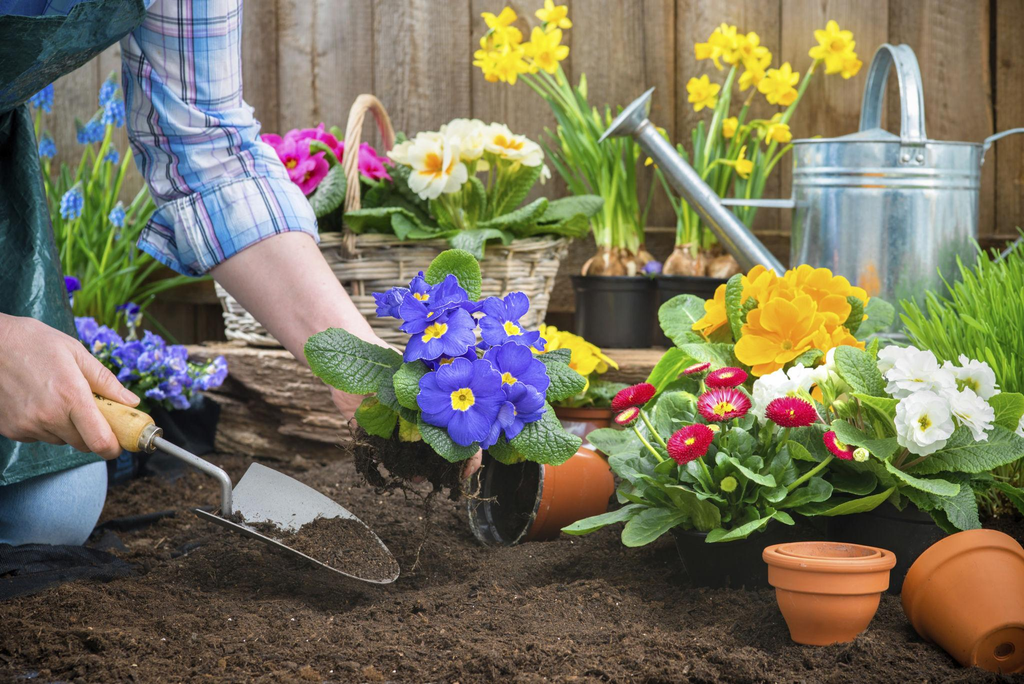
Choosing beautiful flowers is only the beginning. A little planning and consistent care can make a huge difference in how well your garden grows.
Here are a few simple habits worth following:
- Choose the right location: Match each flower’s sunlight requirements to your garden conditions.
- Improve your soil: Add compost to support healthy roots and improve soil structure.
- Water wisely: Water deeply when needed rather than giving plants frequent shallow sprinkles.
- Use mulch: A layer of organic mulch helps retain moisture and suppress weeds.
- Remove faded flowers: Deadheading encourages repeat blooming in many flowering plants.
- Plan for different seasons: Combine early, midseason, and late-blooming varieties for longer-lasting color.
Remember, different flowers have different needs. Understanding your local climate and growing conditions is just as important as choosing attractive plants.
How to Design a Beautiful Flower Garden
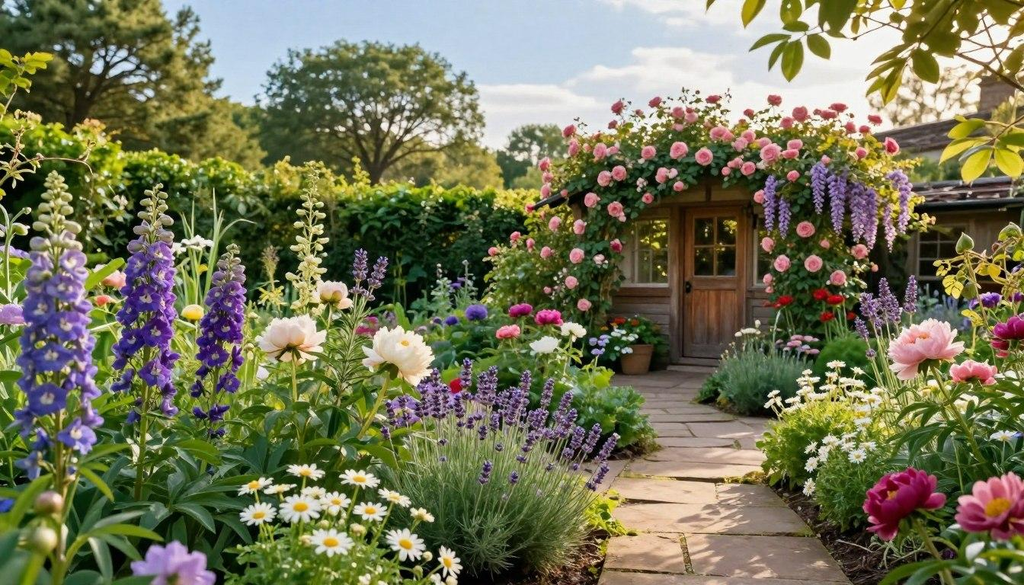
A gorgeous flower garden doesn’t need to look perfectly organized. Sometimes, a slightly relaxed and natural arrangement creates the most inviting atmosphere.
Start by placing taller flowers, such as sunflowers and dahlias, toward the back of your garden beds. Add medium-height flowers like zinnias and coneflowers in the middle, then finish with shorter varieties near the edges.
Try repeating a few colors throughout the garden to create a balanced appearance.
You can also mix flowering plants with decorative grasses, garden stones, or a simple wooden pathway.
For small spaces, colorful containers and hanging baskets can provide just as much visual appeal as traditional flower beds.
Final Thoughts
Creating a colorful flower garden is one of the most rewarding ways to enjoy your outdoor space.
Whether you prefer the timeless elegance of roses, the cheerful beauty of marigolds, or the dramatic appearance of dahlias, there’s a flower for nearly every garden style.
Start with a few easy-to-grow varieties, learn what works best in your climate, and gradually expand your collection.
With a little sunshine, thoughtful watering, and regular care, your garden can become a beautiful, welcoming space filled with flowers throughout the growing season.