Vertical Gardening Ideas: 15 Ways to Grow Up
Short on ground space? A wall, fence, balcony rail, or sunny corner can become a productive little garden. Here are practical, good-looking ways to grow upward—plus the simple planning tips that keep your plants happy.
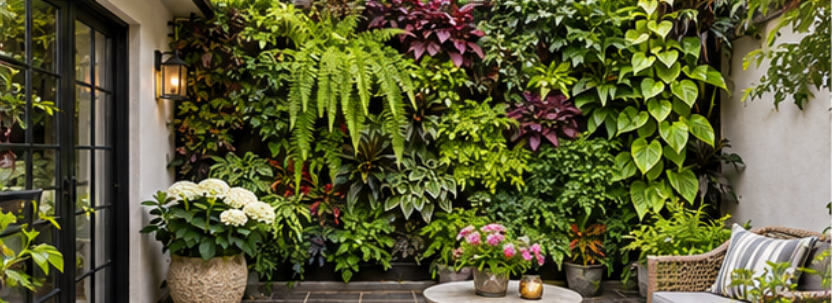
Ever look at a bare fence or balcony wall and think, “Could I grow something there?” Absolutely. Vertical gardening turns unused height into room for herbs, flowers, leafy greens, and even a few compact vegetables. It can soften a plain wall, give a tiny patio a lush feel, and make harvesting easier when you bring the garden closer to eye level.
I love the simple logic of it: choose a sturdy support, match the plants to the light, and let the garden climb or stack. You do not need a huge budget or a perfect backyard. Start with one trellis or a handful of pots, see how the spot behaves, and build from there. Ready to make that blank wall work harder?
Why vertical gardening works so well
Growing upward is especially useful when your garden is a balcony, narrow side yard, courtyard, or rental patio. A vertical setup keeps pathways clear and gives plants better visibility, so you notice dry soil, ripe tomatoes, or a new flower sooner. It can also create privacy and shade, depending on what you grow.
Wall-mounted planters dry out faster than garden beds, and mature vines can become heavy. Plan for easy watering and strong support before planting. FYI, a little preparation now saves mid-season scrambling.
Quick starter rule: Check sunlight, load-bearing strength, drainage, and watering access before you buy a vertical planter.
15 vertical gardening ideas to try
1. Train climbers up a simple trellis
A trellis is one of the easiest ways to add height. Set it behind a large pot or secure it to a fence, then grow clematis, sweet peas, pole beans, cucumbers, or a compact climbing rose. Choose a trellis with openings that suit the plant: delicate tendrils need thinner wires or narrow slats to grab.
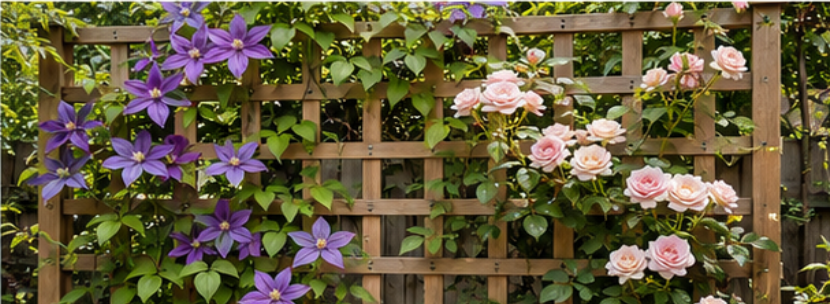
2. Make a living pallet planter
A clean, untreated pallet can become a rustic pocket garden. Staple landscape fabric to the back and bottom of each opening, fill the pockets with lightweight potting mix, and plant shallow-rooted herbs or trailing flowers. Keep the pallet flat for a few weeks while roots settle, then stand it upright securely.
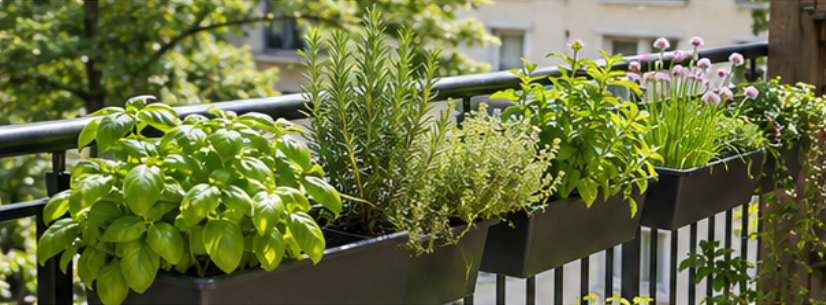
3. Hang a row of railing planters
Railing planters are ideal for balconies because they use the edge rather than the floor. Grow compact herbs, nasturtiums, petunias, or salad leaves. Check the planter’s fit and fasten it against wind; a long, water-filled box can get heavy quickly.
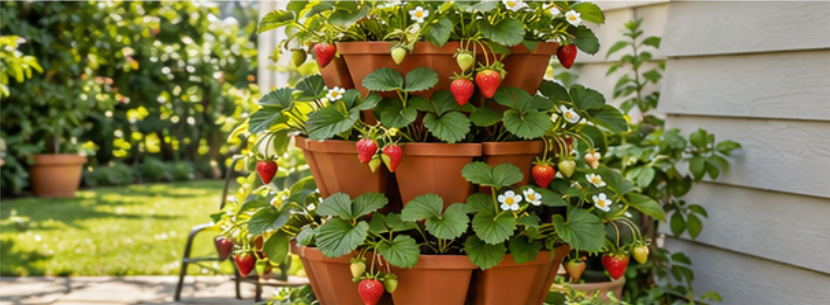
4. Stack sturdy pots in a tower
Stackable planters create a compact tower for strawberries, herbs, or annual flowers. Choose a stable base and water slowly from the top so each level gets moisture. Towers can dry unevenly, so check the lower pockets as well as the top.
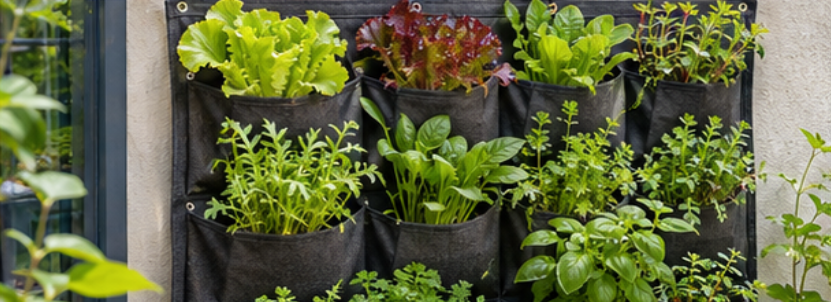
5. Install a pocket wall garden
Fabric pocket panels make a soft, lightweight display on a sheltered wall. They suit herbs, lettuce, trailing lobelia, and other small plants with modest roots. Use a waterproof backing if the wall could be damaged by dampness, and remove the panel or protect it in harsh weather if needed.
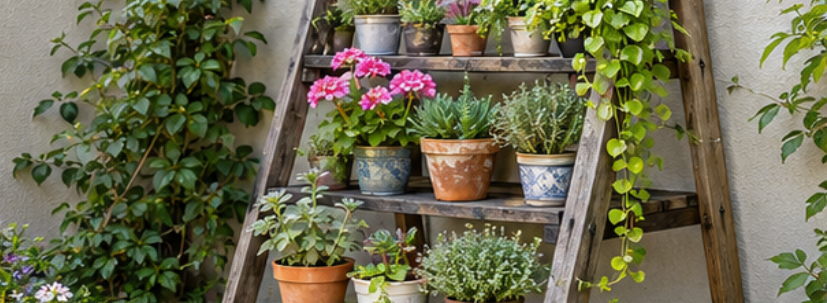
6. Build a ladder shelf garden
A leaning ladder shelf holds pots at different heights without drilling into a wall. Put sun-loving plants on the brightest shelves and shade-tolerant foliage lower down. Use a level surface and secure the ladder so children, pets, or a gust of wind cannot tip it.
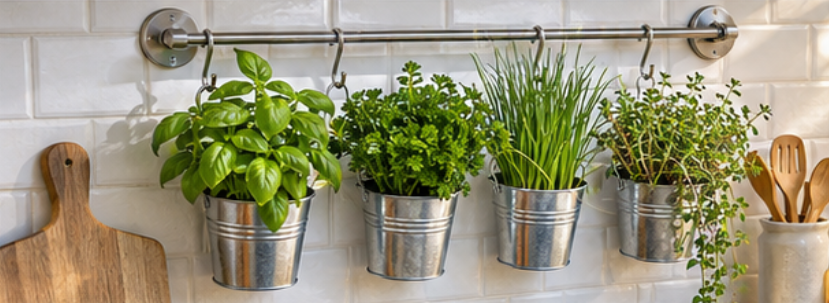
7. Create a hanging herb rail
Attach small pots to a sturdy rail near the kitchen door or a bright window. Basil, thyme, parsley, chives, and mint are handy choices, though mint deserves its own pot because it spreads enthusiastically. Label each container and keep the most-used herbs at easy picking height.
8. Use a wire grid for a modular display
A galvanized wire grid can hold hooks, small baskets, and lightweight planters. It is flexible, so you can rearrange the display as plants grow or seasons change. Anchor it into studs or masonry with hardware rated for the wall, and keep heavier pots low.
9. Grow a green privacy screen
Place a trellis in a long planter and train star jasmine, black-eyed Susan vine, or beans across it. This creates a gentle screen without building a solid fence. Pick a plant suited to your climate and check whether it needs winter protection before you commit.
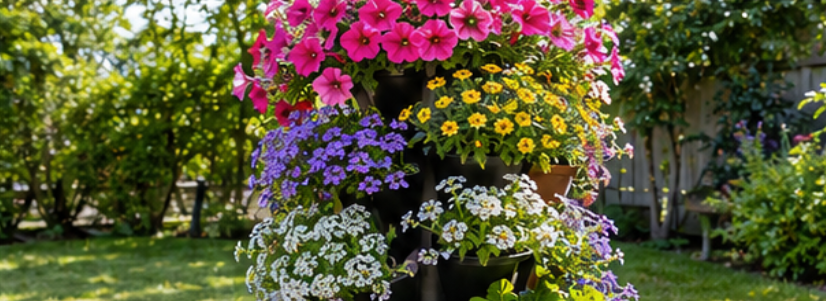
10. Plant a flower tower for color
A flower tower brings color to a patio corner or entryway. Combine plants with similar light and water needs, such as trailing petunias with upright geraniums. For a softer, pollinator-friendly look, mix in alyssum or compact salvias; gardening flowers can be every bit as space-efficient as herbs.
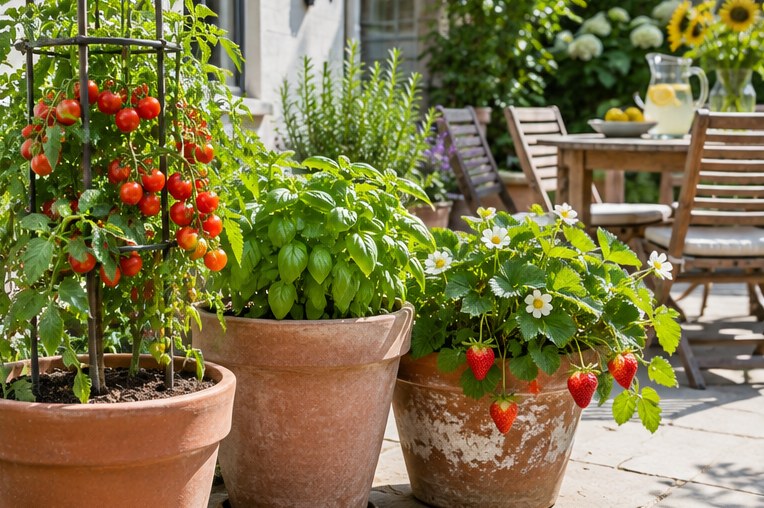
11. Try a tomato or cucumber cage
Not every vertical garden needs a wall. A sturdy cage in a deep container supports compact tomatoes or cucumbers and keeps fruit off the ground. Match the cage height to the variety, and tie stems loosely with soft garden ties as they grow.
12. Repurpose a shoe organizer
A fabric shoe organizer can be an inexpensive herb or flower wall for a covered spot. Add drainage holes, line the pockets if necessary, and use a lightweight potting mix. It is a playful solution, but avoid placing it where water can stain siding or where the fabric will stay soaked.
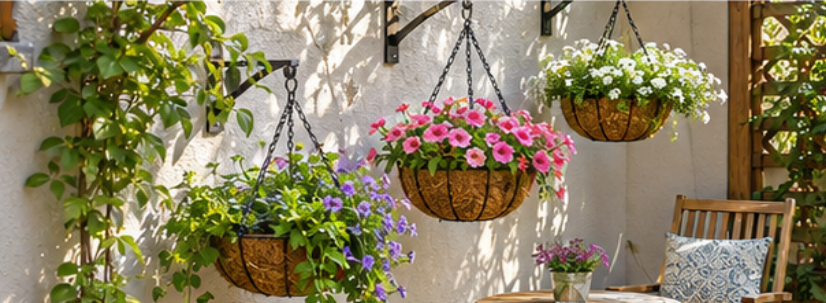
13. Make a hanging basket column
Hang baskets at staggered heights from a freestanding pole or a strong beam. Trailing strawberries, ivy, fuchsia, and nasturtiums look lovely cascading down. Water from the top carefully, then check each basket: the upper one can drip through while the bottom remains thirsty.
14. Add a wall-mounted espalier
Espalier is the practice of training a shrub or fruit tree along a flat support. It takes patience and regular pruning, but an apple, pear, or ornamental shrub can become a beautiful living feature. Choose a suitable dwarf variety and leave room for airflow between branches and the wall.
15. Create a mini green wall with planters
For an instant finished look, mount several matching planters in a neat grid. Use one plant type for a calm, graphic effect or mix textures for a more natural style. Keep the containers accessible enough to water and prune; a pretty wall should still be easy to care for.
Choose plants that enjoy growing upward
The best plant depends on light, climate, and container depth. In sun, try pole beans, peas, cucumbers, cherry tomatoes, strawberries, basil, or flowering vines. In partial shade, choose lettuce, parsley, ferns, heuchera, or impatiens.
Check mature size and root needs on the plant label. A tiny pot cannot support a large, thirsty vine all summer. Pair plants with similar water needs and light preferences.
Plan the structure before you plant
Start with light and weight
Watch the spot for a full day and note how many hours of direct sun it receives. Then think about what the support must hold after rain: pots, wet soil, plants, and wind can add substantial weight. Use outdoor-rated fasteners, follow the manufacturer’s load guidance, and ask for help if you are unsure about a wall or balcony rail.
Make watering easy
Vertical containers often dry faster because they hold less soil and face more sun and wind. Add a drip line, use a watering can with a narrow spout, or group the planters close to a hose. A small layer of mulch can slow evaporation, while drainage holes prevent roots from sitting in water.
Use the right growing medium
Choose a quality potting mix made for containers rather than heavy garden soil. Container mix stays lighter and drains more freely. Feed regularly according to the product label, because frequent watering can wash nutrients out of a small pot.
Small-space checklist:
- Secure the support before adding wet containers.
- Choose plants for the actual light at the site.
- Leave room to reach every pot for watering and pruning.
- Check drainage and protect the surface below.
- Inspect ties and fixings as the plants gain weight.
Common vertical gardening mistakes to avoid
Avoid choosing the structure before checking the location. A sun-loving vegetable will struggle in deep shade, and a lightweight indoor trellis may buckle under an outdoor vine after rain.
Avoid overcrowding, too. Young plants look small, but crowded leaves trap humidity and compete for water. Follow spacing guidance and prune as needed. IMO, an airy display looks healthier and is easier to maintain.
Check the soil every day or two in warm weather. If it dries quickly, water more often or move the planter out of harsh afternoon sun.
How to start this weekend
Pick one area and one goal. Maybe you want fresh herbs beside the kitchen, a splash of color on a balcony, or a screen around a patio chair. Measure the spot, check the light, and choose a support that fits the plants you want to grow.
- Choose a sunny or shaded location based on the plants.
- Select a secure trellis, shelf, rail planter, or pocket panel.
- Fill it with suitable potting mix and plants with similar needs.
- Water thoroughly, then check moisture often while roots establish.
- Prune, harvest, and adjust the layout as the garden fills in.
You can keep it simple: one pot of climbing beans and a small trellis can be the beginning of a productive garden. If you enjoy it, add a second level or a few flowering containers next season.
Conclusion: let your garden climb
Vertical gardening makes a small space feel useful, lush, and personal. Start with the light and support, choose plants that suit your conditions, and make watering easy. Trellises, rails, stacked pots, pocket planters, and hanging baskets all offer a different way to grow up.
So, which wall, fence, or balcony corner will you transform first? Choose one idea, plant something you love, and give it room to climb. Before long, that empty patch may become your favorite part of the garden. 🙂