20 Small Space Gardening Ideas for Veggies
No yard? No problem. A sunny balcony, narrow doorstep, or even one bright windowsill can grow fresh, satisfying vegetables when you make every inch work.
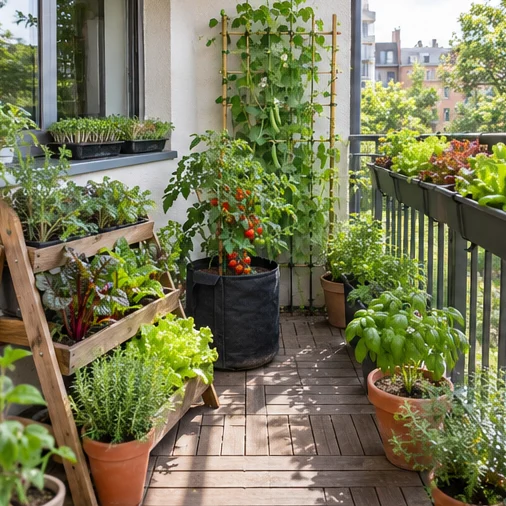
Want to pick a handful of tomatoes for lunch without needing a big backyard? You absolutely can. Small space gardening is mostly about choosing compact crops, using vertical space, and giving each plant the light and water it needs.
I love how a tiny patch can make everyday cooking feel more special. And yes, homegrown basil makes even a quick pasta night feel like a plan. Here are 20 small space gardening ideas for veggies that work in real homes, including budget-friendly options and simple home garden ideas you can start this weekend.
20 small space gardening ideas for veggies
You don’t need all 20. Pick what fits your light, budget, and available floor space. A good setup is one you can reach easily and enjoy tending.
1. Use a trellis
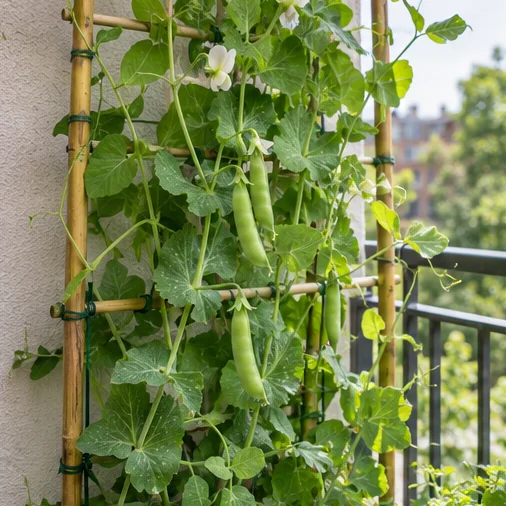
Train pole beans, peas, or cucumbers upward instead of letting vines sprawl across the floor. Place a sturdy trellis behind a deep pot or against a sunny wall, and tie young stems loosely. Secure it well because wind and a full crop add weight.
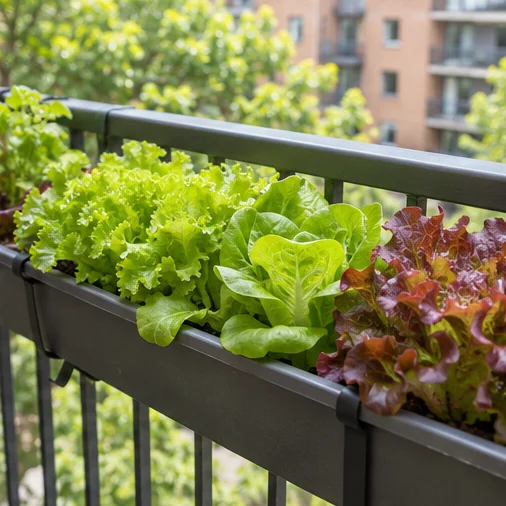
2. Hang railing boxes
A sunny railing can hold lettuce, spring onions, compact herbs, or trailing tomatoes. Choose boxes with drainage holes and attach them firmly. Lightweight potting mix makes the containers easier to manage, and a secure fit keeps them steady on breezy days.
3. Make a tiered garden
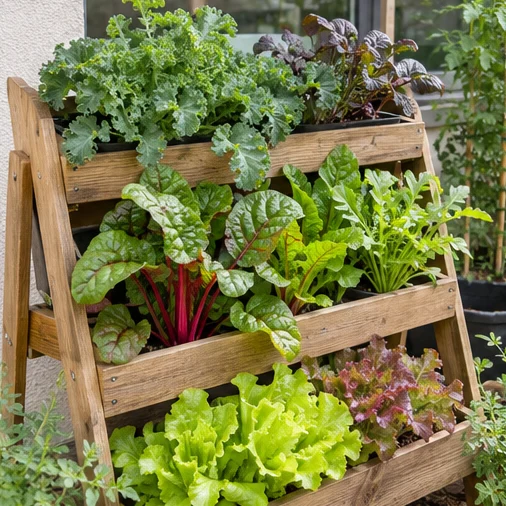
A small plant stand gives you several growing levels without using much floor area. Put taller sun-loving crops at the back and shorter greens where they still receive light. Arrange each tier so watering remains comfortable and every plant stays within reach.
4. Try fabric grow bags
Fabric bags are light, store flat, and suit potatoes, tomatoes, and leafy crops. Their drainage helps prevent soggy roots, though the mix can dry faster in hot weather. Place a waterproof mat below if you are gardening on a balcony.
5. Pick a patio tomato
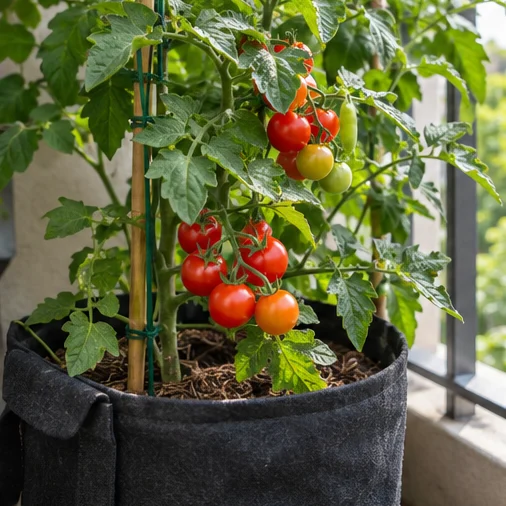
Look for “patio,” “bush,” or “determinate” on the label. These tomato varieties tend to stay more compact than sprawling vines. Give one plant a roomy pot, steady support, regular water, and plenty of sun for the best chance of ripe fruit.
6. Plant a salad bowl
Fill a wide, shallow container with loose-leaf lettuce, arugula, and a few radishes. Sow a little every couple of weeks to spread out the harvest. Snip the outer leaves first and leave the center intact so plants can keep growing.
7. Grow microgreens indoors
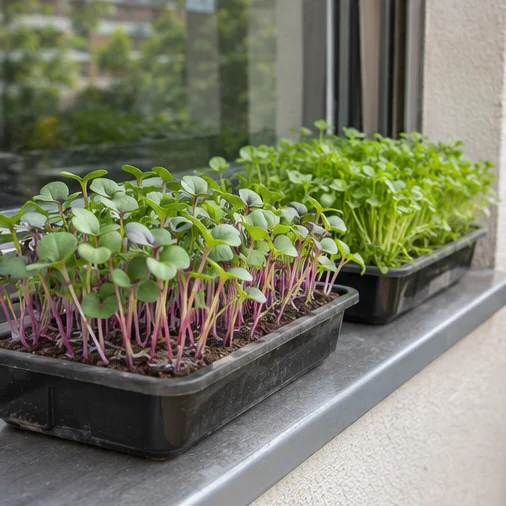
Microgreens need only a shallow tray and a bright windowsill. Scatter seeds over seed-starting mix, keep the surface lightly moist, and snip the shoots when the first true leaves appear. Radish, pea, and broccoli shoots add a fresh crunch to meals.
8. Choose cut-and-come-again greens
Leaf lettuce, spinach, and many Asian greens can give repeated small harvests. Sow them in a long planter and cut leaves above the growing point. This is a practical option when you want regular salad greens from a very small patch.
9. Tuck herbs between vegetables
Basil, parsley, and chives can fit beside peppers or tomatoes if all the plants receive enough light. Keep herbs near the kitchen so they are easy to snip while cooking. Pair plants with similar water needs in one container.
10. Repurpose a wooden crate
A clean crate can be one of those tiny garden ideas on a budget that looks charming. Line it with permeable fabric, make sure water can drain, and fill it with potting mix. Avoid crates with peeling paint or unknown chemical treatments.
11. Sow quick radishes
Radishes mature quickly and fit into open gaps between slower crops such as lettuce or carrots. Sow a short row, keep it evenly moist, and harvest promptly for tender roots. Quick crops make a small garden feel productive while others are still growing.
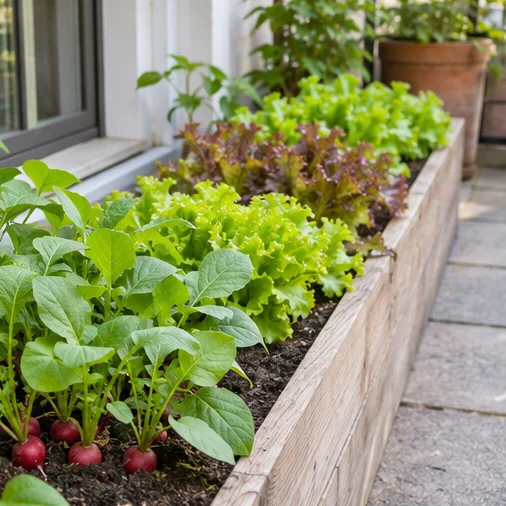
12. Grow short carrots in a deep pot
Choose a short-rooted variety and a container deep enough for its roots. Use loose, stone-free potting mix and thin seedlings so they have room. A wide pot can hold a useful crop without taking much precious floor space.
13. Add a vertical pocket planter
Pocket planters can hold herbs, small lettuces, or strawberries on a bright wall. They dry faster than large containers, so check moisture often and water slowly from the top. Keep heavy planters low and attach the frame securely.
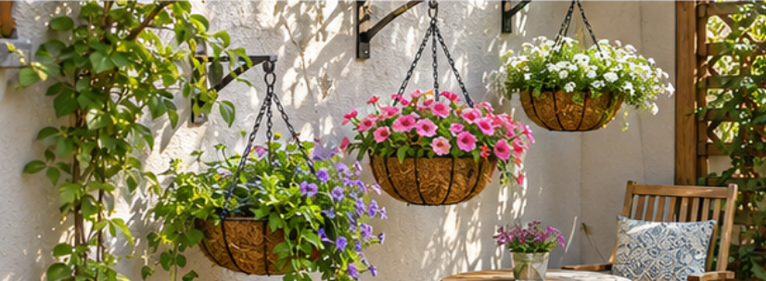
14. Hang an edible basket
A deep hanging basket can grow trailing cherry tomatoes or compact peppers in a sunny spot. Make sure the hook is secure and that you can reach the basket to water and harvest. Add a drip tray if runoff could bother neighbors below.
15. Grow peas in a narrow trough
Peas can climb a slim net or twig support along the back of a long container. They use vertical space and produce sweet pods for snacking. Sow them in suitable cool weather and pick often to encourage a longer harvest.
16. Choose dwarf peppers
Small pepper varieties can thrive in a container around five gallons, depending on the variety. Put the pot in a warm, bright spot and water when the mix starts to dry. A compact plant can still produce plenty for salads and stir-fries.
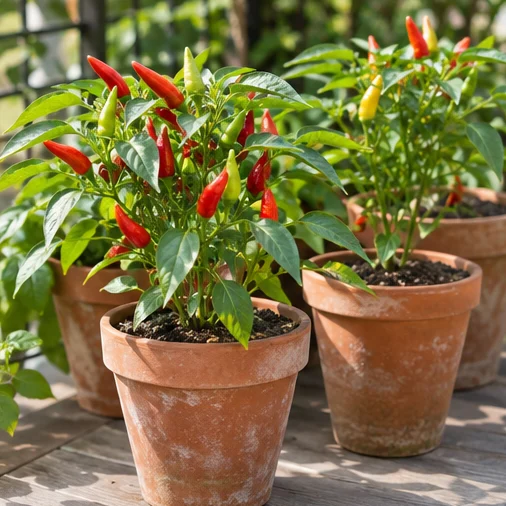
17. Trellis a compact cucumber
Some cucumbers are bred for containers and smaller gardens. Give one a deep pot and sturdy support, then check the seed label for pollination needs. Guide the vine gently and harvest fruits while they are young and tender.
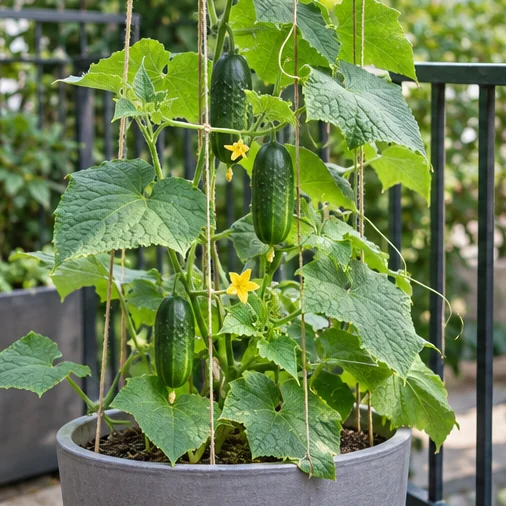
18. Roll your pots into sunlight
A small wheeled cart lets you move lightweight pots to follow the sun or shelter them from harsh weather. Use it for herbs, greens, or seedlings. Lock the wheels while parked, especially on a sloped patio.
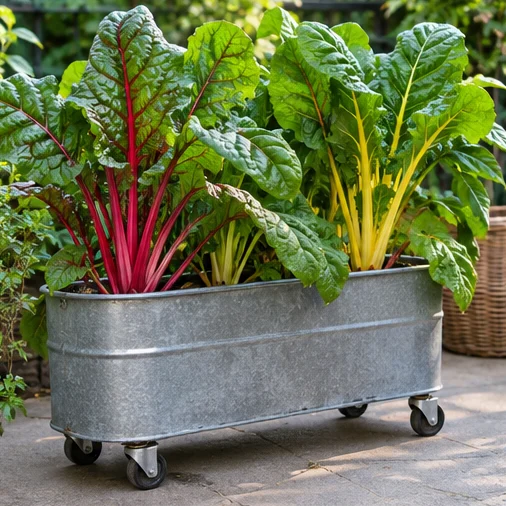
19. Reuse food-safe buckets
Food-grade buckets can be inexpensive containers for tomatoes, potatoes, or greens. Clean them, add drainage holes near the bottom, and choose a size that suits the crop. Never reuse a bucket that held chemicals.
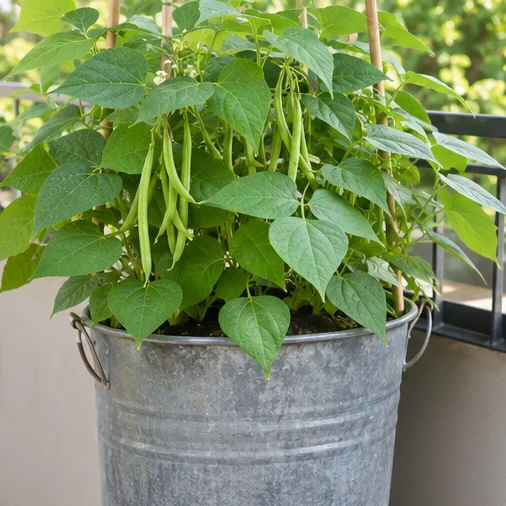
20. Succession-plant for steady picking
Instead of sowing all your lettuce or beans at once, plant a small batch every two or three weeks during the right season. This spreads out the harvest and avoids a glut. Note each sowing date so you know what to plant next.
Choose vegetables that suit your space
The right crop depends on your sunlight, pot depth, and how often you can water. Most fruiting vegetables need several hours of direct sun, while some leafy greens tolerate a little less. Read the seed packet or plant tag for variety-specific spacing and timing.
| Your setup | Good crops to try | Helpful detail |
|---|---|---|
| Sunny balcony | Tomatoes, peppers, beans | Use deep pots and firm supports. |
| Bright windowsill | Microgreens, chives, herbs | Rotate containers for even light. |
| Shady patio | Lettuce, spinach, leafy greens | Growth may be slower than in full sun. |
| Narrow wall or rail | Peas, trailing herbs, compact greens | Secure planters against wind. |
Quick planning tip: Measure your spot, note its direct-sun hours, and decide how much you want to harvest. Then buy containers for those crops. Starting with fewer, well-chosen plants is easier than squeezing everything in at once.
Simple care tips for a small veggie garden
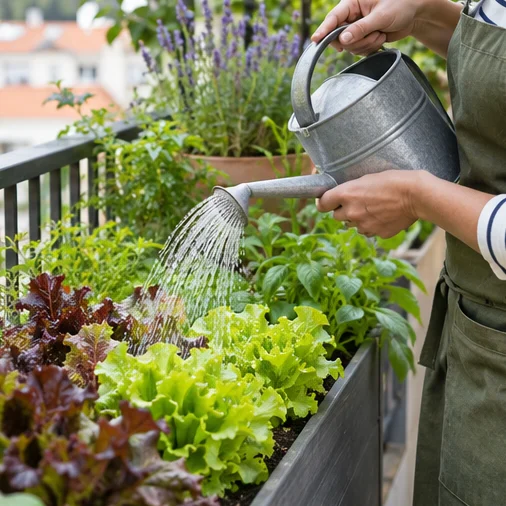
Containers need a little more attention than garden beds because they hold less soil. Still, a routine makes them easy to manage. Check moisture with a finger, water deeply when the mix feels dry, and let excess water drain away.
- Use potting mix: Garden soil can compact in containers and restrict drainage.
- Feed thoughtfully: Follow fertilizer directions; too much can harm plants or reduce fruiting.
- Leave breathing room: Crowded plants compete for light and airflow.
- Harvest often: Regular picking keeps many crops producing and tasting their best.
- Watch the weather: Pots may need more water in heat and protection during cold snaps.
FYI, a small watering can with a narrow spout helps you reach soil without soaking leaves or spilling on the floor. IMO, a simple weekly check is more useful than buying lots of special gear.
Start with one small harvest
Small-space gardening gets easier when you begin with a couple of containers and crops you already enjoy eating. Try a salad pot, one compact tomato, or a vertical row of peas. If you have more room, add a tiered stand or reusable grow bag next season.
Make room for a little green
These 20 small space gardening ideas for veggies show that a big yard is optional. Use walls and railings, choose compact varieties, grow quick greens, and make simple home garden ideas work for your light and budget. Even one pot of herbs or lettuce is a real start.
Which vegetable would you be happiest to pick at home? Choose one, find its sunniest spot, and plant it this week. Your tiny garden may soon be the busiest little corner of the house. 🌱Grow what you love · Start small · Enjoy every harvest