20 New Garden Ideas Landscaping
Does your backyard look like one big patch of grass with a fence around it? A new path, a generous planting bed, or a shady spot for coffee can give it a whole different feel. These 20 garden landscaping ideas will help you figure out where to start, whether you have a narrow side yard or room for a full backyard makeover.
Start by watching how you already use the space. Where do you naturally walk, and which spot gets the nicest light when you can actually sit outside? Those answers make it much easier to spend your time and budget on changes you’ll enjoy.
- Check the light in the morning and late afternoon before choosing plants or a seat.
- Measure the space around gates, doors, and steps before making a shopping list.
- Pick a weekend project you can finish before tackling a larger bed.
Give Your Yard a Clear Layout
1. Give a Gravel Path Somewhere to Go
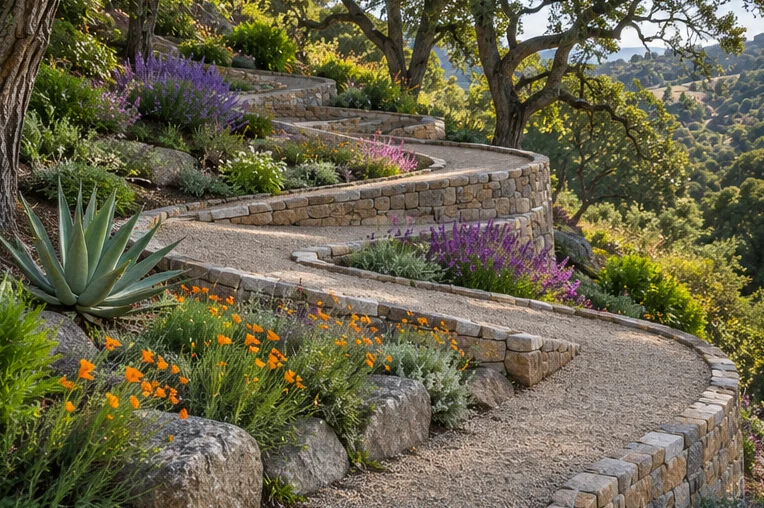
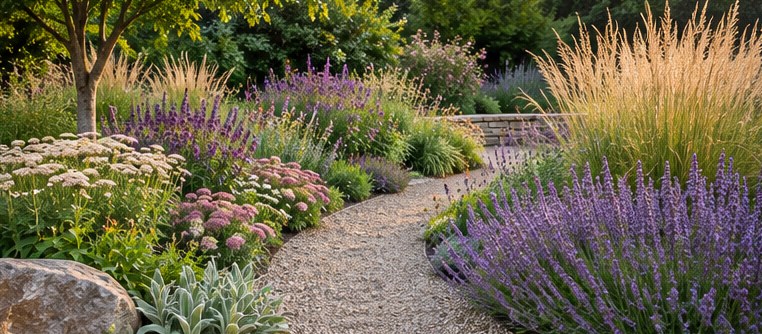
A gently curved gravel path makes a flat yard feel deeper. Lead it toward a bench, a gate, or even a big glazed pot so the bend has a purpose. Use firm edging where gravel meets lawn to keep stones out of the mower’s way. Try marking the route with a hose and walking it before you order materials.
2. Trade a Thin Flower Strip for a Deep Border
Why squeeze every plant into a single row? A deeper bed lets you tuck low flowers in front, leafy perennials in the middle, and taller plants where their height adds some drama. Repeat a few varieties along the border to connect the whole planting. Leave room for each plant’s mature width when you lay out the pots.
3. Break Up a Wide Lawn With an Island Bed
An island bed gives your eye somewhere to land in the middle of a blank yard. Anchor it with a compact tree or shrub that fits the space, then echo its shape with smaller plants around the edge. Look at the outline from the house before you dig. Broad curves make the bed easier to mow around, too.
4. Repeat One Material Across the Garden
Pick one material you really like, such as warm brick or pale stone, and use it in a few visible spots. Brick path edging can echo a short seat wall or a landing outside the back door. That repetition pulls the garden together, even when the planting gets a little exuberant.
Make a Small Garden Feel Bigger
5. Turn a Dead-End Corner Into a Patio
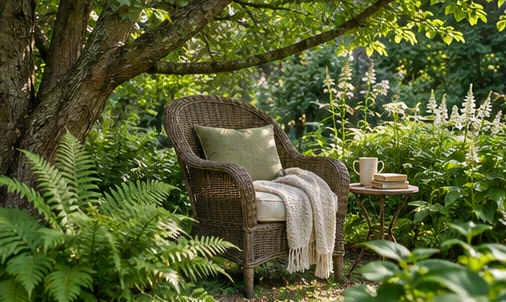
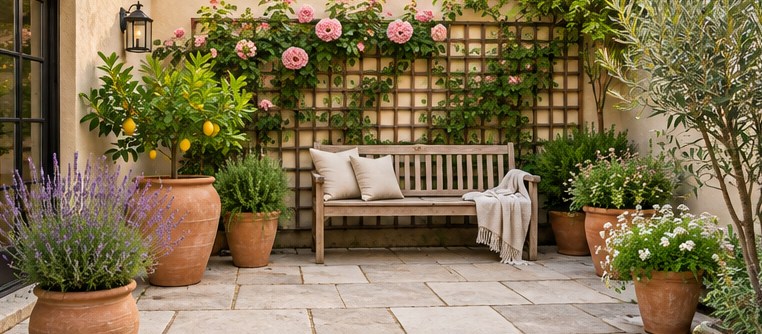
Could the corner currently storing spare pots become your favorite seat? Start by setting out a chair and checking the light at the time you’d use it. Add a small paved area with room to pull the chair back and set down a cup. A tall container nearby can soften the view of a fence.
6. Grow Up a Trellis
A trellis turns a blank wall or fence line into planting space. Choose a climber that suits the light, the support, and the amount of pruning you’re happy to do. Leave enough room behind the trellis to reach the wall for maintenance. Put it near a window if you’d enjoy seeing the flowers from indoors.
7. Group Pots in Three Heights
One tall planter, a mid-height pot, and a low bowl can give a small patio its own little landscape. Repeat a color or finish across the group so it feels cohesive. Match watering needs within each pot, and give all the containers drainage holes. FYI, putting the largest pot in place before filling it saves a surprising amount of effort.
8. Use a Bench to Define the Edge
A bench can mark the edge of a patio and free up room where you’d otherwise have chairs. Try a simple seat beside a raised bed, where the foliage can soften the back of the bench. Check that you can walk past when someone’s sitting down. Add a cushion in a color you already have in the planting.
Choose Plants That Do More
9. Plant a Small Pollinator Patch
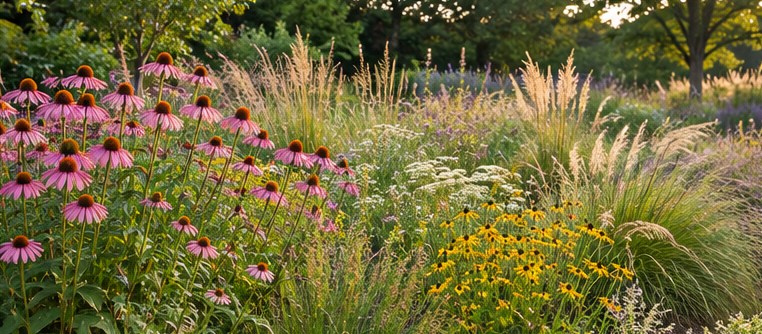
You can start with a sunny strip along a path. Choose locally native flowers that bloom at different times and group several of each together for a stronger display. Allow for flowers later in the season too, when the early flush has faded. Keep the edge tidy so the patch looks intentional from the sidewalk.
10. Shrink the Lawn Where You Rarely Walk
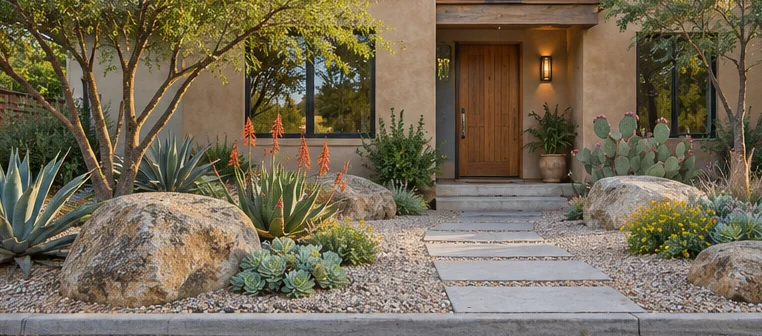
Does the back corner really need weekly mowing? Pull the lawn edge inward and try a wider planting bed on the area you hardly use. Keep turf where you want it for games, pets, or an open view. Pick your replacement plants according to the light and soil, and allow for establishment watering.
11. Build a Border Around Foliage
Pair broad leaves with fine grasses or fernlike foliage to create texture even between flowering seasons. Choose partners that like similar light and moisture so they’re easy to look after together. Try placing the pots beside each other at the nursery. You’ll spot combinations you like much faster than you will from plant labels.
12. Plan for Something Interesting in Every Season
Make a quick list of what looks good in your yard each season. Is there a gap after the spring flowers fade, or does the whole border disappear once frost arrives? Fill the biggest gap first with something suited to your climate. Consider late blooms, colorful stems, or grasses with seed heads that hold their shape.
Mix Edible Plants Into Your Landscaping
13. Set Up Raised Beds You Can Reach
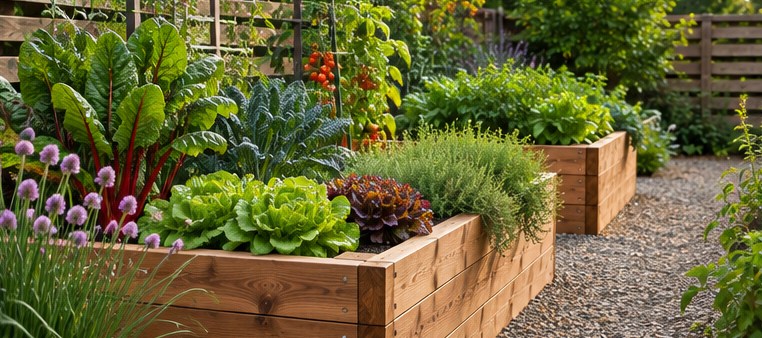
Raised beds make the vegetable patch easy to define and give you a place to start with fresh growing mix. Plan the bed width so you can comfortably reach the middle from the sides you can access. Give the paths enough room for a wheelbarrow. Put taller supports where they’ll cast the least shade on smaller crops.
14. Put Kitchen Herbs by the Door
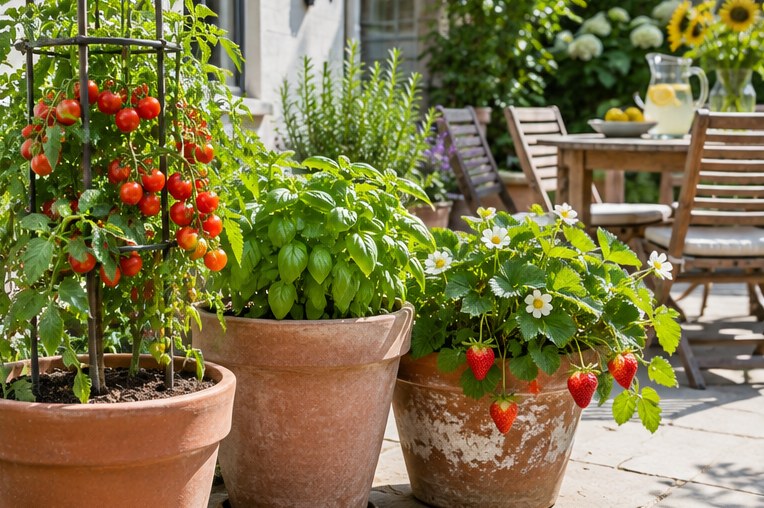
You’re more likely to snip chives when you can reach them while dinner cooks. Choose a bright spot beside the door and group herbs according to how often they need water. Give mint its own pot so it can’t spread through the bed. Keep the containers close enough to grab a handful even when it’s raining.
15. Give Tomatoes a Spot in the Flower Border
A tomato on a sturdy trellis can add height to a sunny flower bed. Surround it with lower plants and leave yourself a clear side for watering and harvesting. Check the seed label for mature size, since some varieties can shade their neighbors. Tuck a stepping stone nearby if you need access behind the plant.
16. Run Drip Lines Before You Mulch
Drip tubing makes it easier to water right where plants grow. Lay it out while you can still see the soil and run a test before covering the beds. Watch for dry areas, leaks, and emitters that have shifted. Keep connections easy to reach so you can adjust the layout as crops change.
Make the Garden Comfortable After Work
17. Add Shade Where You Actually Sit
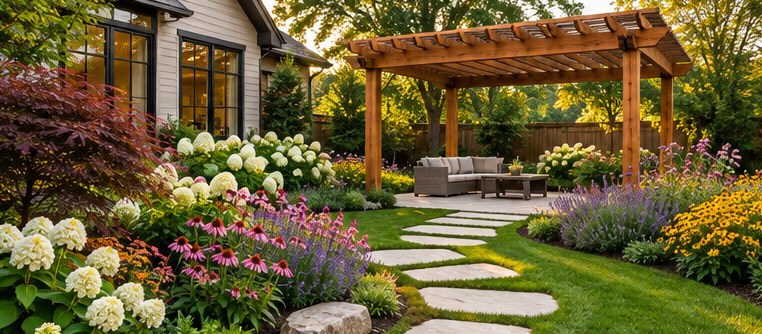
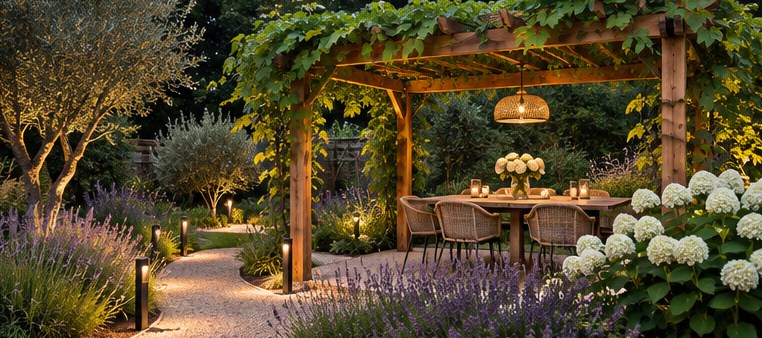
A pergola can give a dining table a sense of place, while an adjustable umbrella can follow the afternoon sun. Before placing either, sit outside around your usual dinner time and see which way the light comes from. That little test could save you from shading the empty end of the patio.
18. Light the Route From the Door
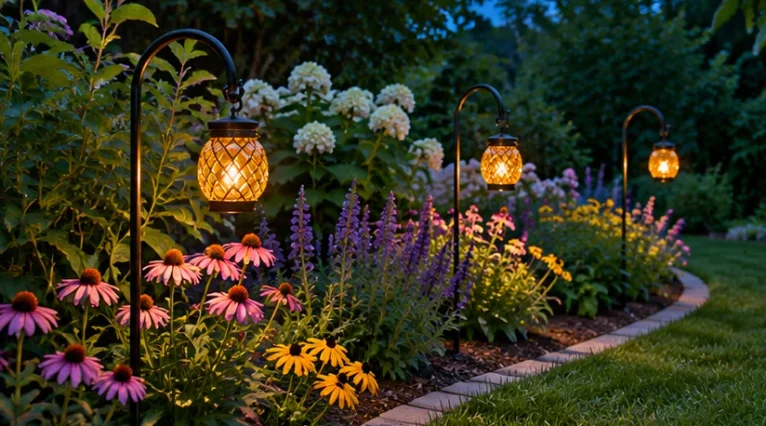
Start with the steps, turns, and changes in level you use after dark. Choose shielded, downward-facing lights and place them where they’ll illuminate the walking surface without shining into your eyes. Test their placement after sunset. Once the route feels easy to follow, add a soft light near the seating area if you’d like.
19. Screen the View From Your Seat
A slatted panel or a cluster of tall planters can make a patio feel more private. Sit down first and pick the actual sightline you want to block. You may find that one well-placed screen covers the view while leaving space for a breeze and a pleasant glimpse of the rest of the yard.
20. Set a Place for Outdoor Dinner
Put a table near the kitchen so carrying dishes feels easy. Leave room behind the chairs, and use a stable surface so the table stays steady when someone leans on it. Place a pot of greenery where you can see it from your seat. The garden will feel part of dinner even on an ordinary Tuesday.
Start With One Spot You’ll Use This Week
Pick one improvement that matches how you want to spend time outside. A well-placed path makes the yard easier to cross, a layered border gives you something to enjoy from the window, and herbs beside the door make dinner a little better. Walk outside with your coffee tomorrow and see where you naturally stop. That might be exactly where the first chair belongs.