Sloping Garden Ideas: 15 Beautiful Ways to Transform Your Outdoor Space
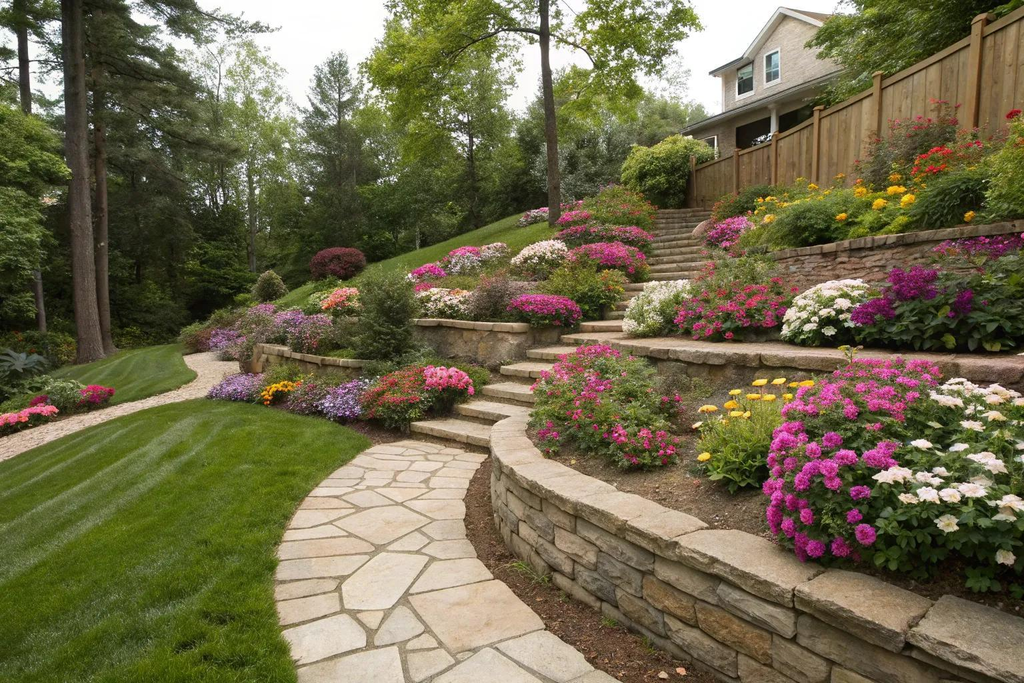
A sloping garden can feel challenging to design, but it also offers exciting opportunities to create a beautiful outdoor space. Uneven ground, steep hillsides, and awkward corners can become attractive features with the right landscaping approach.
Whether you have a small backyard or a large hillside property, there are countless sloping garden ideas to help you make the most of your space. From terraced flower beds and winding stone pathways to cozy seating areas and natural rock gardens, a thoughtful design can transform even the steepest slope.
In this guide, discover 15 practical and inspiring ways to turn your sloping garden into a stunning outdoor retreat.
1. Create Beautiful Terraced Garden Levels
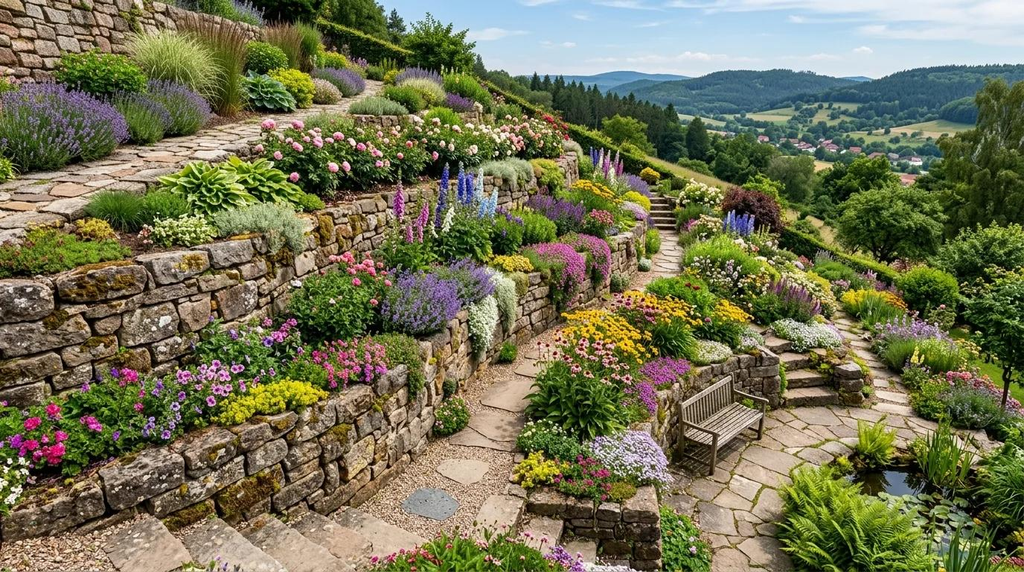
Terracing is one of the most effective ways to make a sloping garden attractive and functional. By dividing the hillside into several flat sections, you can create dedicated areas for flowers, vegetables, and relaxation.
Natural stone retaining walls add rustic charm, while timber and concrete blocks can complement contemporary garden designs.
Plant colorful flowers along each terrace to create a layered appearance. Trailing plants can soften the edges and make the entire garden feel more natural.
2. Explore Natural Hill Garden Ideas
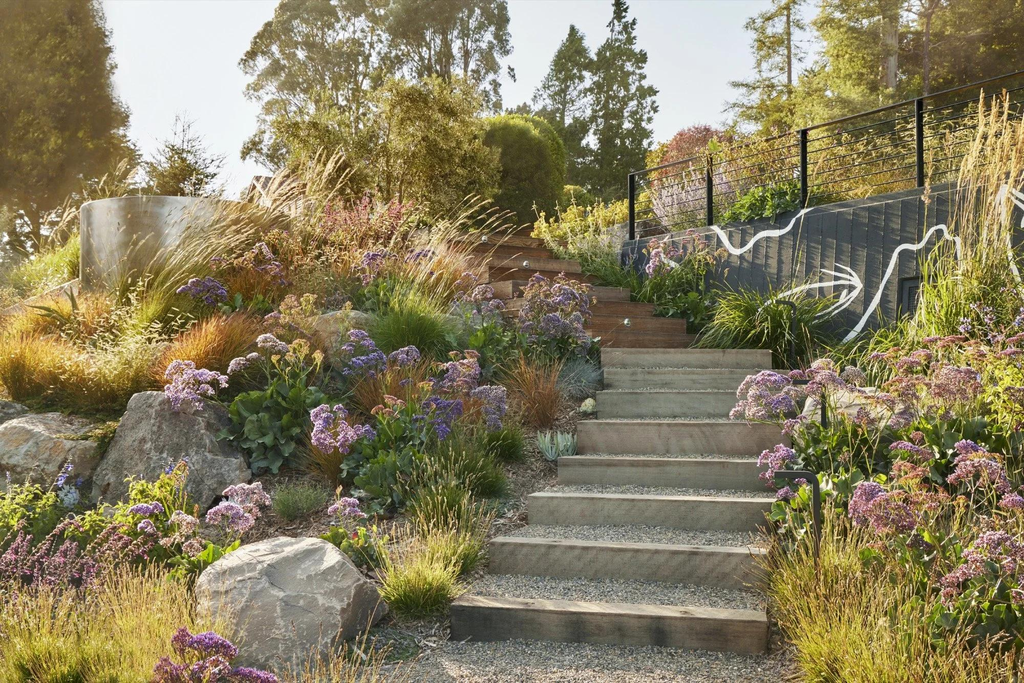
If you prefer an organic landscape, natural hill garden ideas can help you create a peaceful outdoor environment without completely changing the shape of your land.
Use native wildflowers, ornamental grasses, and low-growing shrubs that follow the natural contours of the hillside.
Decorative rocks and boulders can add texture, while clusters of flowering plants bring seasonal color. This approach works particularly well for larger slopes where extensive construction would be expensive.
3. Add Winding Stone Garden Pathways
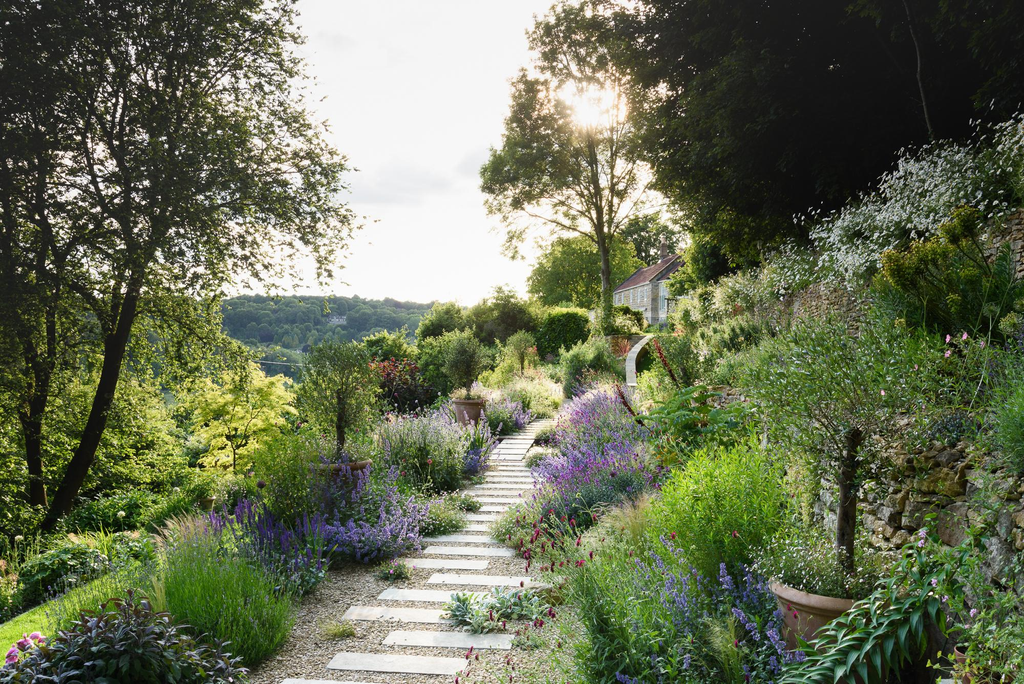
A winding stone pathway can turn a steep-looking garden into an inviting landscape.
Instead of building a straight walkway, create gentle curves that follow the slope. Natural flagstones, gravel, and rustic bricks are excellent materials for garden paths.
Surround the pathway with lavender, ornamental grasses, and low-growing flowers for a charming appearance.
For steeper sections, incorporate secure steps and slip-resistant materials to make walking safer.
4. Build a Cozy Seating Area on the Slope
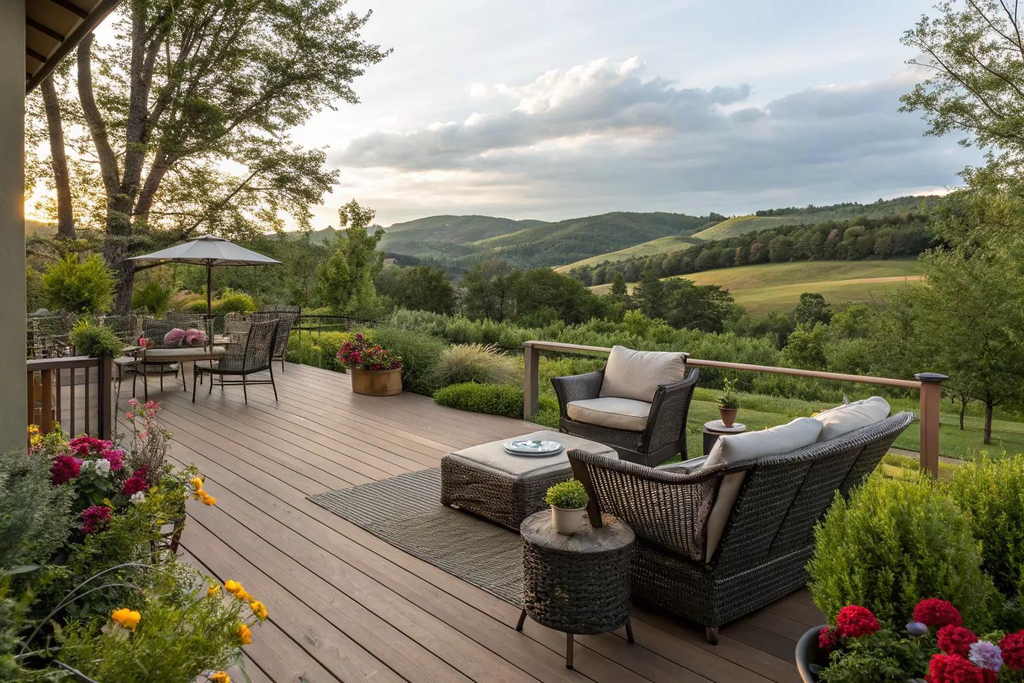
A sloping backyard can provide the perfect setting for a relaxing outdoor seating area.
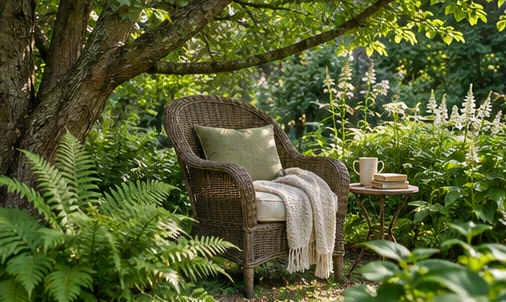
Create a stable, level terrace or raised deck and furnish it with comfortable chairs, soft cushions, and a small table.
Surround the seating area with fragrant flowers, decorative grasses, or potted plants.
If your garden overlooks an attractive view, position the seating area to enjoy it. Add warm outdoor lighting to make the space inviting in the evening.
5. Design Colorful Tiered Flower Beds
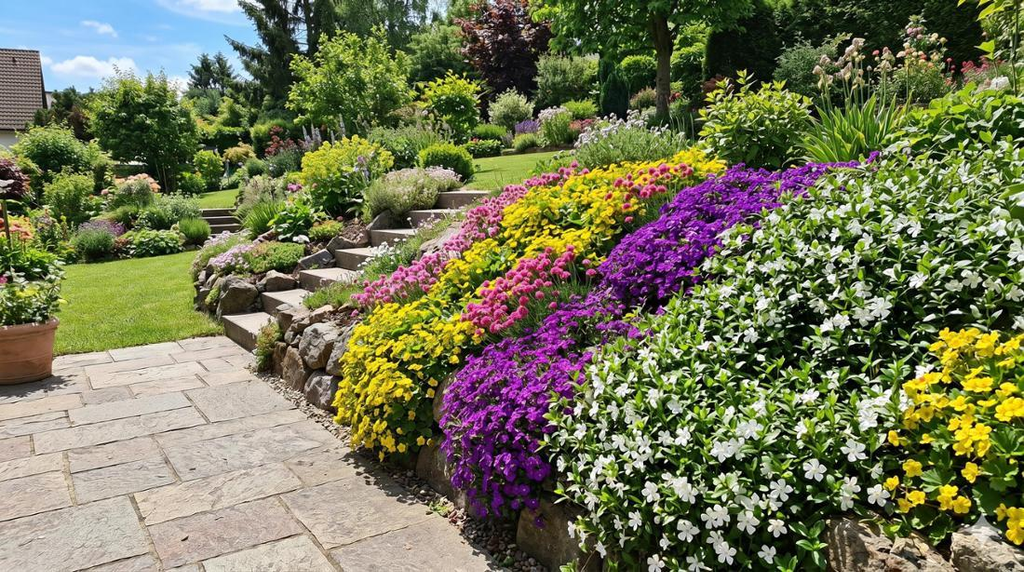
Tiered flower beds are an excellent way to add vibrant color to a sloping garden.
Arrange flowers in layers, placing taller plants toward the back and shorter varieties near the front. This creates visual depth while allowing every plant to receive attention.
Consider lavender, salvia, coneflowers, and creeping phlox in climates where they thrive.
Choose plants with different blooming periods to maintain an attractive display throughout the growing season.
6. Use Retaining Walls for Structure and Style
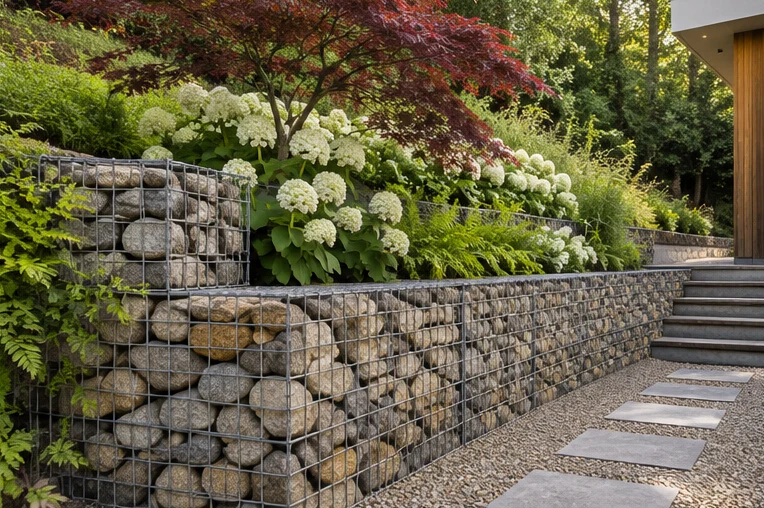
Retaining walls help support soil while creating level areas that are easier to use.
Natural stone walls provide a timeless appearance, while smooth concrete walls complement modern landscaping.
You can plant trailing greenery along the edges to soften the structure and blend it into the surrounding garden.
Proper drainage is essential behind retaining walls. Tall walls or those supporting substantial soil loads should be designed by qualified professionals.
7. Create a Beautiful Rock Garden
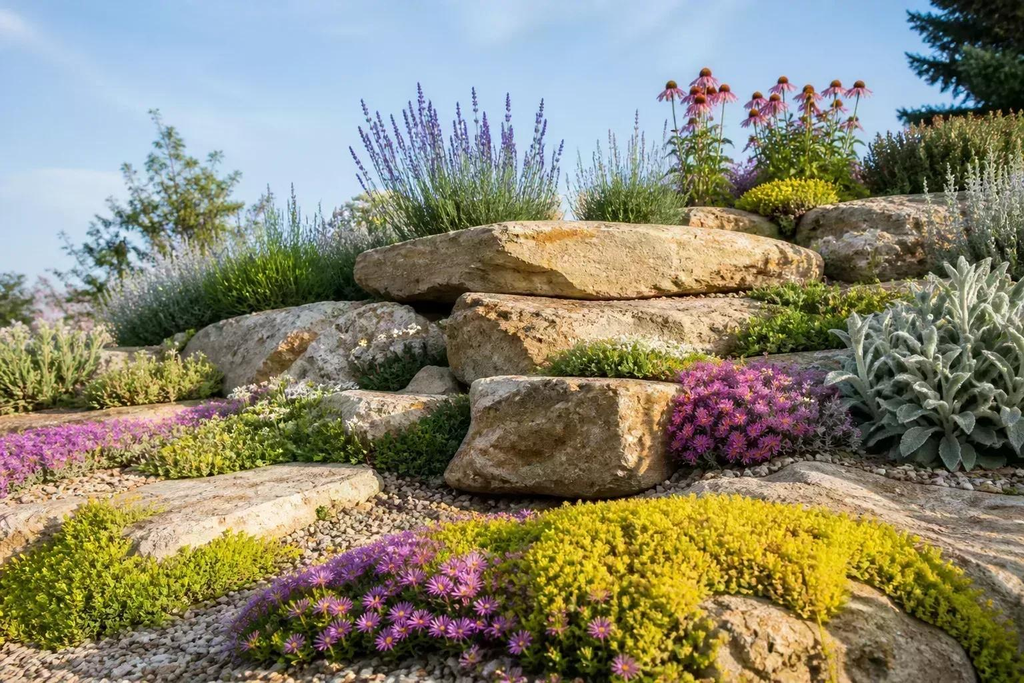
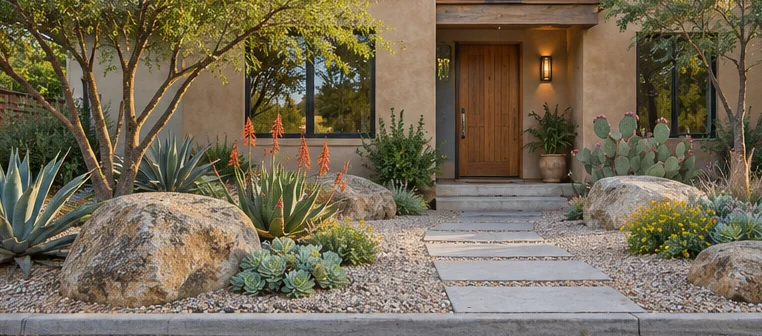
Rock gardens are particularly attractive on sloping ground because they work with the natural shape of the landscape.
Arrange stones of different sizes across the hillside, leaving planting pockets between them.
Add drought-tolerant plants such as sedum, creeping thyme, and suitable alpine varieties.
Mixing rocks with colorful flowers and textured foliage creates an appealing garden that can require less maintenance than a traditional lawn.
8. Add a Small Waterfall or Stream
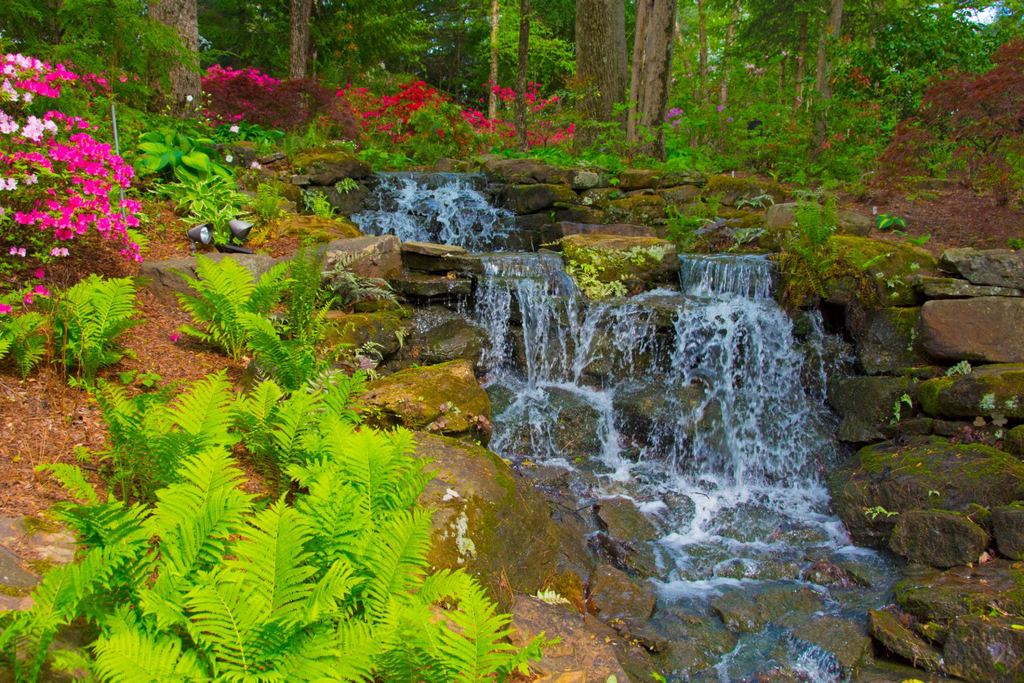
A sloping garden offers a wonderful opportunity to create a decorative waterfall.
Water can cascade over natural rocks into a small pond or recirculating basin, creating a peaceful atmosphere.
Surround the feature with moisture-loving plants, ferns, and ornamental grasses.
Choose a properly lined system that keeps water away from vulnerable soil and foundations. A recirculating pump can also reduce water consumption.
9. Grow a Vegetable Garden on Terraces
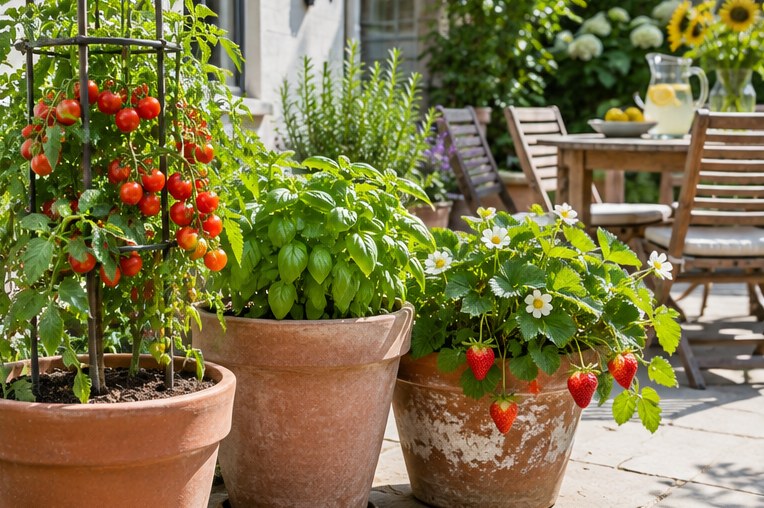
Terraced vegetable gardens make excellent use of uneven ground while providing space to grow fresh produce.
Build level planting beds with secure edges and fill them with nutrient-rich soil.
Depending on your climate, you can grow tomatoes, lettuce, peppers, spinach, and herbs.
Use mulch to retain moisture and reduce erosion. Make sure the beds receive adequate sunlight and have safe pathways for watering, planting, and harvesting.
10. Install Wooden Garden Steps
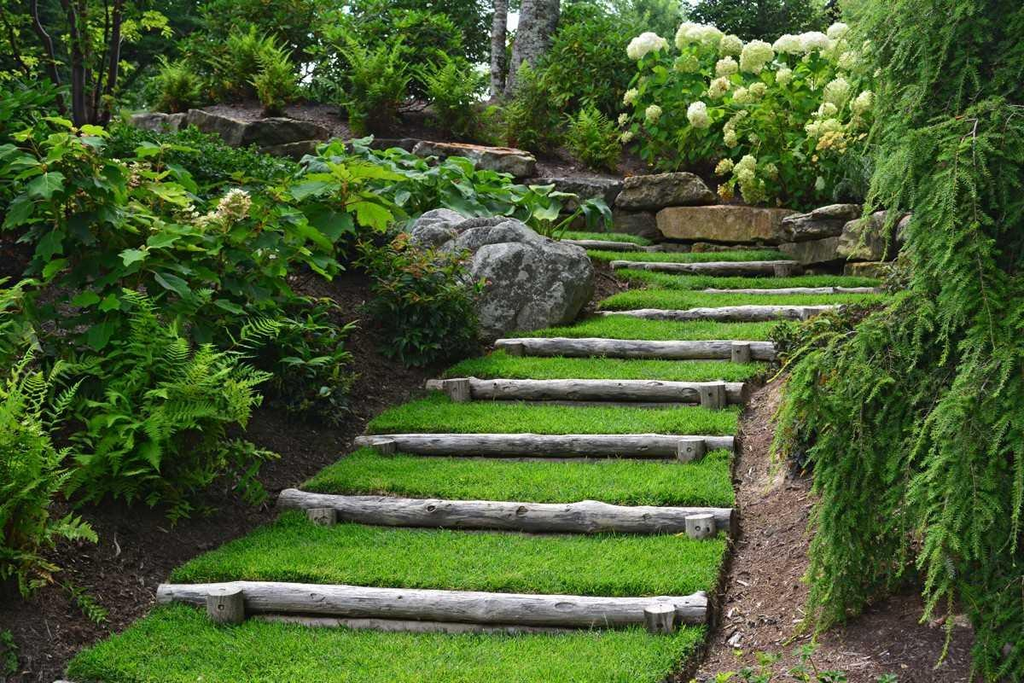
Wooden garden steps can add warmth and character to a sloping landscape.
They look especially beautiful in woodland gardens, cottage-style landscapes, and natural backyard designs.
Choose durable outdoor-rated timber and install the steps on stable foundations.
Add gravel, stones, or low-growing plants along the edges for a finished appearance. Consistent step heights and slip-resistant surfaces are important for safety.
11. Create a Low-Maintenance Ground Cover Garden
Maintaining a traditional lawn on a steep slope can be difficult, especially when mowing or watering.
Ground cover plants offer an attractive alternative.
Creeping juniper, sedum, and other spreading plants can create dense greenery while helping protect the soil from erosion once established.
Choose varieties suited to your climate and sunlight conditions. Apply mulch between young plants until they grow together.
12. Design a Modern Sloping Garden
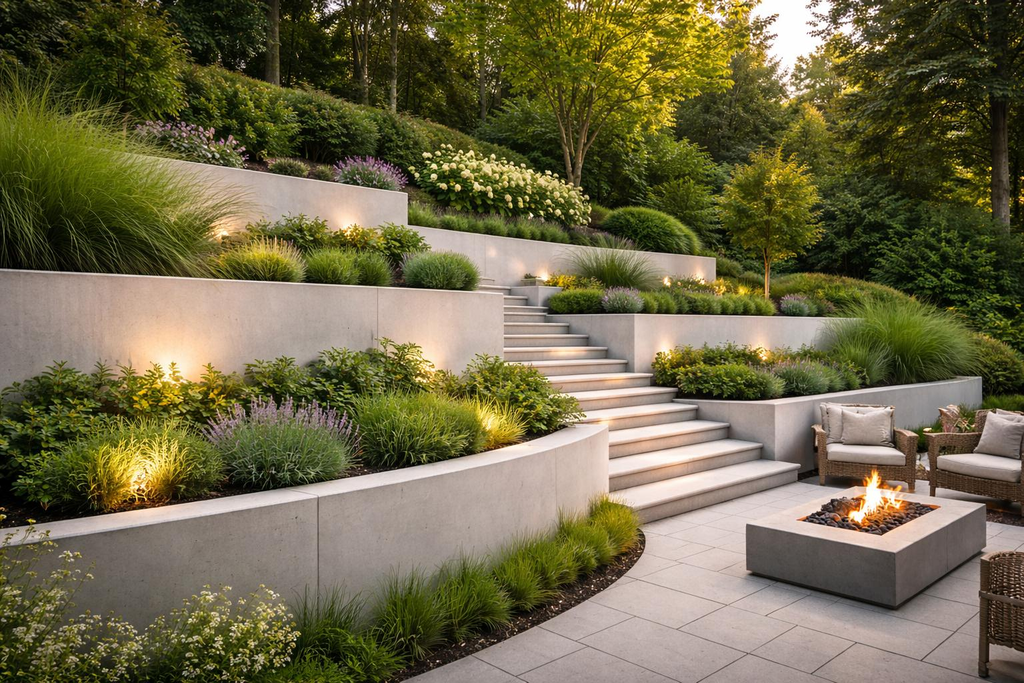
Modern sloping gardens focus on clean lines, simple shapes, and carefully selected materials.
Use geometric terraces, contemporary paving, and raised planters to create a structured appearance.
Evergreen shrubs, ornamental grasses, and architectural plants provide texture without overcrowding the space.
A neutral color palette of gray, beige, and natural green can make the garden feel sophisticated.
Add subtle lighting along steps and retaining walls for a beautiful evening atmosphere.
13. Add Raised Garden Beds Along the Slope
Raised garden beds can transform awkward hillside sections into organized planting areas.
Arrange the beds in stepped rows that follow the natural slope.
Wooden frames offer a rustic appearance, while stone or metal beds work well in contemporary gardens.
Fill them with colorful flowers, herbs, or seasonal vegetables.
Ensure each bed is properly leveled, supported, and designed for effective drainage.
14. Create a Relaxing Woodland Garden
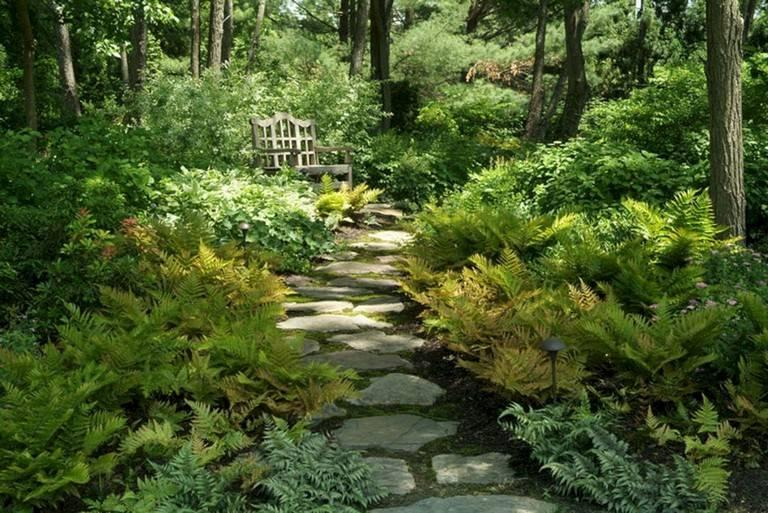
If your sloping garden receives plenty of shade, consider creating a woodland-inspired retreat.
Plant shade-loving greenery such as ferns, hostas, and suitable native shrubs beneath existing trees.
Natural stone pathways, rustic benches, and moss-covered rocks can enhance the woodland atmosphere.
Combine plants of different heights to create a layered appearance.
Avoid disturbing established tree roots when installing pathways or changing ground levels.
15. Highlight Your Garden With Outdoor Lighting
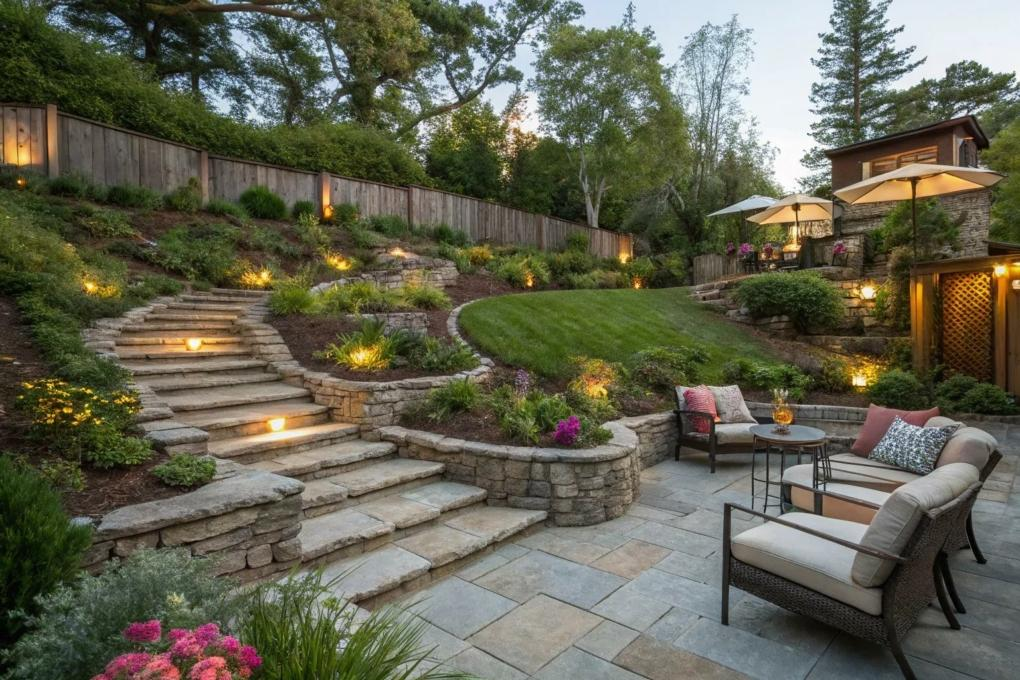
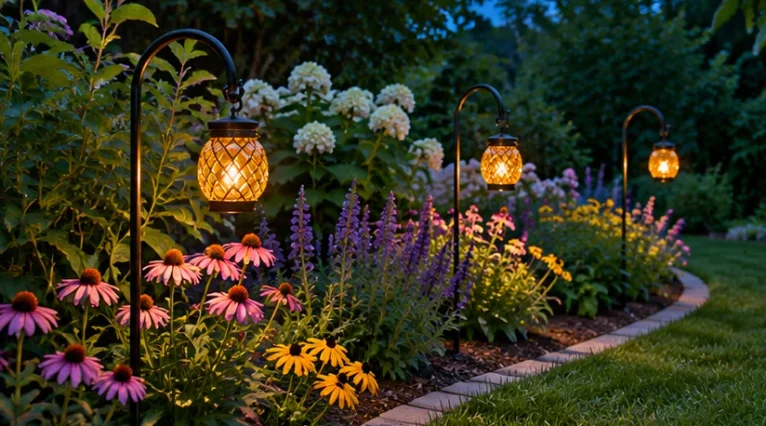
Outdoor lighting can make a sloping garden look magical after sunset.
Install pathway lights along steps and walkways to improve visibility.
Use soft spotlights to highlight ornamental trees, retaining walls, and colorful planting areas.
Solar-powered lights are convenient for sunny locations, while low-voltage landscape lighting can provide more consistent illumination.
Choose warm, subtle lighting to create a welcoming atmosphere without overpowering the garden.
Essential Tips for Planning a Sloping Garden
Before starting your landscaping project, consider the practical needs of your outdoor space.
- Check drainage: Observe how rainwater flows and identify areas vulnerable to erosion.
- Choose suitable plants: Select varieties that thrive in your local climate and soil conditions.
- Plan safe access: Include stable pathways, steps, and handrails where necessary.
- Work with the slope: Preserve natural contours whenever practical to reduce excavation.
- Set a realistic budget: Prioritize drainage, structural stability, and essential access before decorative features.
For particularly steep gardens, professional landscape advice can help ensure your design remains safe and durable.
Final Thoughts
A sloping garden is an opportunity to create an outdoor space with beautiful levels, interesting textures, and unique landscaping features.
Whether you prefer colorful terraced flower beds, winding stone pathways, natural rock gardens, or a contemporary hillside retreat, these sloping garden ideas can help you transform uneven ground into something special.
Start with a design that suits your garden’s size, sunlight, and maintenance needs. With thoughtful planning and the right plants, your hillside can become a beautiful place to relax, entertain, and enjoy nature.