22 Small Japanese Garden Ideas
Thoughtful stones, soothing greenery, and a little room to breathe—even if your “garden” is a balcony or a narrow side yard.
Garden design • 10 minute read
Short on space but dreaming of a calm, beautiful garden? You don’t need a sprawling landscape to borrow the quiet charm of Japanese garden design. A few well-chosen elements can make a tiny courtyard, patio, or balcony feel intentional and restorative.
I love how these gardens make every detail count: the curve of a stepping stone, the texture of moss, the sound of a small trickle of water. Think of the ideas below as friendly inspiration, not a strict rulebook. Choose what suits your climate, your space, and the amount of gardening you actually want to do.In this guide
Ground and paths: give the eye somewhere to wander
Small gardens can feel cluttered quickly. Start with a simple ground surface and a clear route through the space. A little contrast between gravel, stone, and greenery goes a long way.
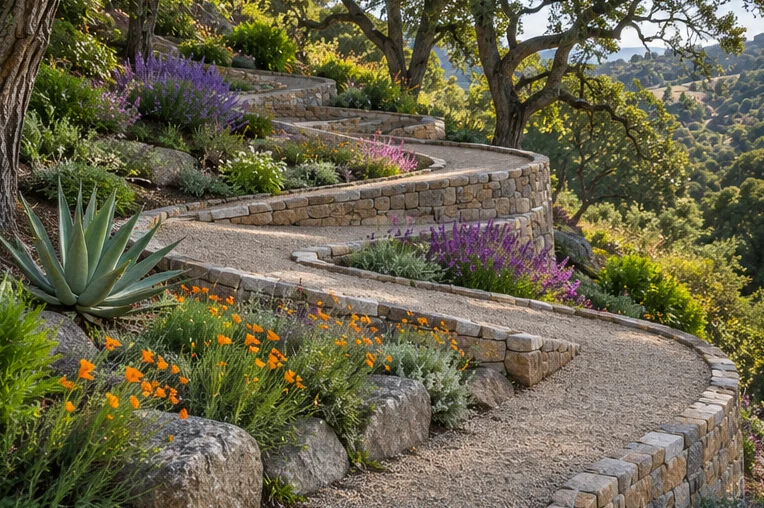
1. Lay a stepping-stone path
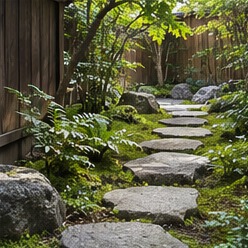
Place a handful of flat stones through gravel or groundcover, with comfortable gaps for your natural stride. A gentle curve feels relaxed and makes a short path seem like a journey. Keep stones level so the route stays safe after rain.
2. Rake a miniature dry garden
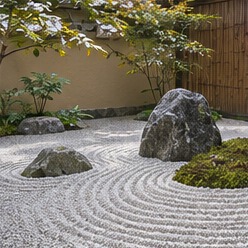
Use a shallow bed of pale gravel and a few larger rocks to suggest water and islands. A hand rake can create soft ripples around the stones. This is a neat option for a sunny, low-planting corner, and it’s easy to refresh when the pattern gets disturbed.
3. Mix gravel with moss
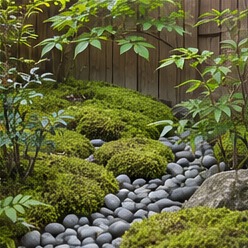
Let a compact patch of moss meet a border of fine gravel for a lovely change in texture. Moss usually prefers shade and even moisture, so check that your conditions suit it before planting. In hotter or drier spots, use a local low-growing groundcover instead.
4. Set one statement boulder
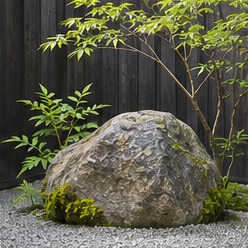
A single weathered rock can anchor a small composition better than a pile of little decorations. Bury part of it so it appears settled into the earth, then leave breathing room around it. IMO, restraint is what makes this look convincing.
5. Create a pebble river
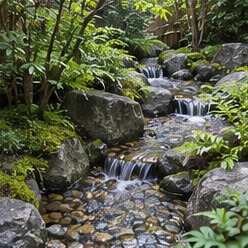
Run a narrow ribbon of smooth pebbles beside a path or between planting pockets. It can suggest a stream without needing plumbing or a pond liner. Choose stones in a consistent palette, and edge the strip so pebbles don’t migrate across the whole patio.
6. Use a small raised gravel island
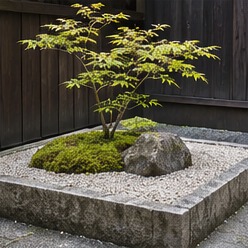
Frame a shallow raised bed with timber or stone and fill it with gravel, one focal rock, and a compact plant. The slight lift makes the feature visible from indoors. Add drainage holes if you’re building it over a hard surface.
7. Keep the path narrow and purposeful
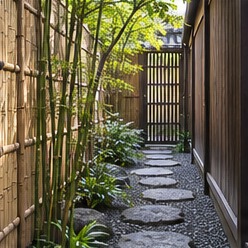
A slim route can connect a doorway to a bench or water bowl without swallowing the garden. Use the same paving material throughout to avoid a patchwork effect. What do you want to notice as you walk? Let the path lead toward that detail.
Plants and structure: choose fewer, better shapes
Instead of filling every gap, select plants for their silhouette, leaf texture, and seasonal changes. A small garden benefits from a few distinct forms and a tidy backdrop.
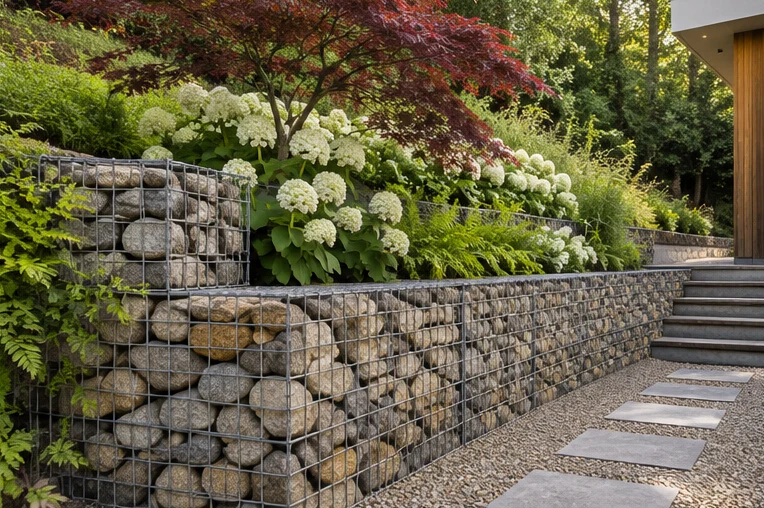
8. Plant a dwarf Japanese maple
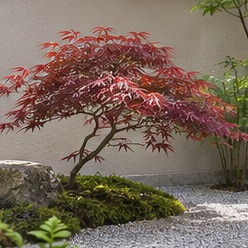
A compact maple brings graceful branching and a standout autumn color show. Check the mature size and light needs of the variety, since some prefer dappled shade and shelter from harsh afternoon sun. In a tiny garden, one tree can do the work of several decorations.
9. Shape an evergreen cloud
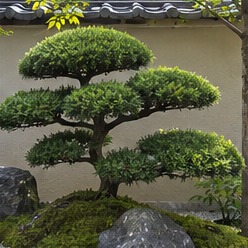
Use a suitable evergreen shrub and prune it into rounded, layered pads. The sculptural outline gives the garden structure through winter, when flowers have faded. Start with a plant that naturally stays compact, then prune lightly rather than fighting a fast-growing shrub.
10. Add a bamboo screen
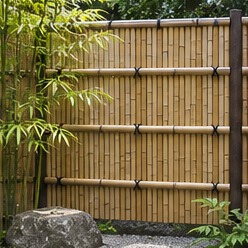
A slatted bamboo or timber screen creates privacy and a warm background for foliage. It also hides bins, air-conditioning units, or a less-than-lovely fence. FYI, running bamboo can spread aggressively, so use clumping varieties in containers or choose a screen made from bamboo poles.
11. Make a fern and shade corner
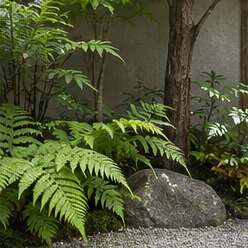
Ferns bring fresh, feathery texture to a shady nook. Pair a few varieties with hostas or other locally suited foliage plants, leaving space for their mature leaves. Group pots together if you’re still testing which plants thrive before committing to a permanent bed.
12. Train a small pine as a focal point
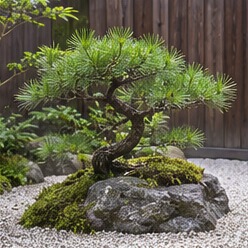
A compact pine or carefully maintained container specimen offers an elegant evergreen shape. Give it enough light and a pot with excellent drainage if it’s growing above ground. A small, well-placed pine makes a strong focal point without asking for a large lawn around it.
13. Use a single accent grass
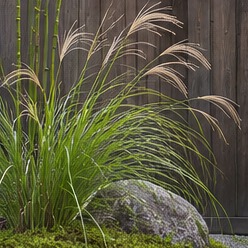
A clump-forming ornamental grass adds movement when a breeze passes through. Choose a variety suited to your climate and keep it as one controlled accent, rather than planting a row that overwhelms the space. Its fine leaves pair beautifully with hard stone edges.
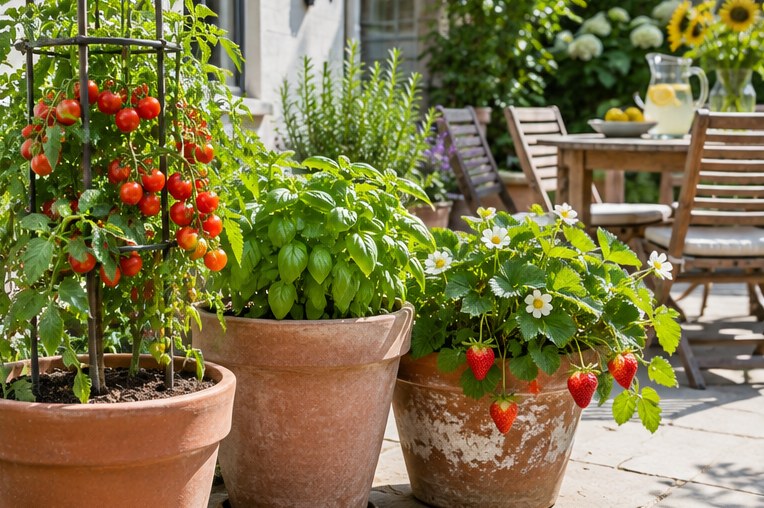
14. Try container gardening flowers sparingly
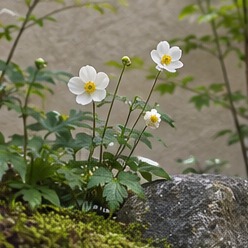
Flowers aren’t off-limits; just use them with intention. A pot of seasonal gardening flowers can brighten a step or soften a bench, while white, pale pink, or muted blooms keep the palette restful. Swap containers with the season so the garden changes without a full redesign.
15. Layer plants at three heights
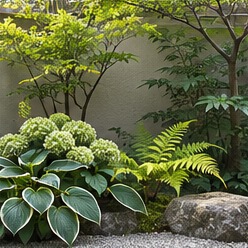
Combine a low groundcover, a mid-height shrub, and one taller tree or bamboo screen. This simple layering makes a small area feel deep. Keep the number of varieties low, and repeat a plant once or twice to make the composition feel connected.
Water and focal points: add one moment of calm
You don’t need a pond to create a peaceful focal point. One small water feature, lantern, or seat can give the garden a purpose and make it feel like somewhere you’ll actually pause.
16. Add a stone water basin
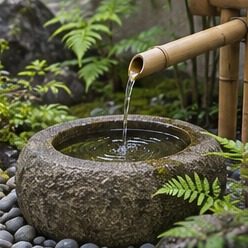
A shallow basin gives birds a drink and adds a simple focal point. Set it on stable ground near foliage, and refresh the water regularly. If you want the traditional look of a bamboo spout, a recirculating pump can keep water moving, but the basin works beautifully on its own.
17. Build a tiny tabletop water garden
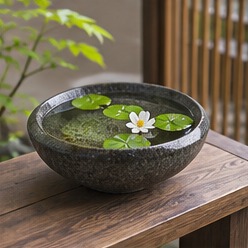
Use a waterproof bowl with a few aquatic plants for a patio or balcony. Keep the container in a spot that suits the plants and check water levels during hot weather. This compact feature brings reflections and movement without taking up much floor space.
18. Place a small stone lantern
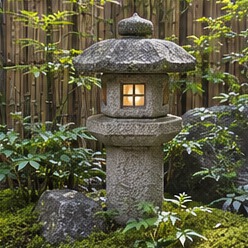
A lantern gives the garden a vertical accent and looks lovely beside a path or tucked among ferns. Choose a size that fits the space; oversized ornaments can make a small yard feel crowded. Solar lighting can add a gentle evening glow with minimal wiring.
19. Create a borrowed-view frame
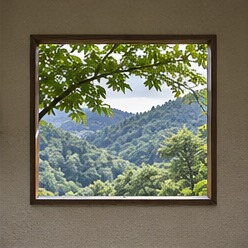
Use an opening in a screen or a carefully trimmed gap in planting to frame a tree, sky, or neighboring greenery. This design trick makes the garden feel as though it continues beyond its boundary. Keep the frame uncluttered so the view becomes the feature.
Finishing touches: make it personal and easy to care for
The last details should support the feeling you want, not compete for attention. Think about how you’ll see and use the space every day.
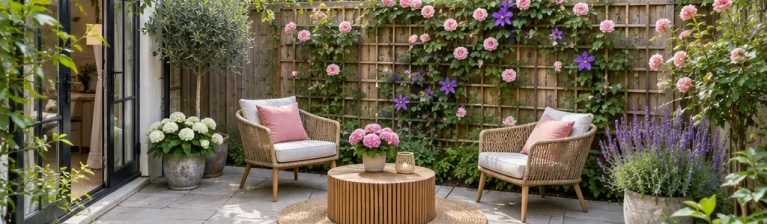
20. Make a tiny tea-and-reading seat
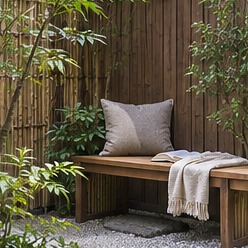
A simple wooden stool or narrow bench turns a pretty corner into a place to enjoy. Position it toward your favorite view and leave enough room to sit comfortably. Even a minute spent outdoors with tea can make the garden feel like a real retreat.
21. Light one feature softly
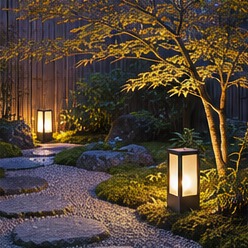
Use a low solar lamp or shielded warm light to highlight a path, lantern, or tree trunk. Avoid bright lights aimed at the whole garden; shadows are part of the atmosphere. Test the placement at night before fixing anything permanently.
22. Make a balcony-sized Zen garden
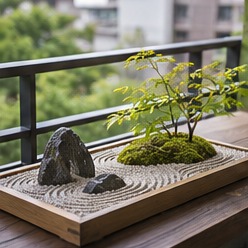
Combine a shallow tray of sand or fine gravel, three stones, and a miniature evergreen in a pot. Arrange everything with space around each piece, then keep the colors simple. It’s a low-commitment way to bring Japanese-inspired calm to a balcony or even a sunny doorstep.
How to plan your small Japanese garden
Before buying anything, sketch the space and pick one focal point. Then choose a path or ground surface, add a few plants suited to your light, and finish with just one or two accents. The right plan depends on your climate, soil, drainage, and time for maintenance, so check plant labels and local growing advice.
Quick design checklist
- Repeat a small palette of stone, wood, and greenery.
- Leave open space; every corner doesn’t need a feature.
- Choose plants for your actual sun, shade, and water conditions.
- Check mature plant size before planting or potting.
- Use safe, level stepping stones and secure screens firmly.
For a small courtyard, try a maple, moss or groundcover, stepping stones, and one lantern. For a sunny balcony, start with a pine or evergreen in a pot, a gravel tray, and a compact seat. Let the garden grow gradually; you can always add another detail next season.
Conclusion: small garden, big exhale
The best small Japanese garden ideas make a little space feel thoughtful, balanced, and easy to enjoy. Start with a clear path, a few beautiful textures, plants that suit your conditions, and one focal point that makes you want to pause. Which idea will you try first? Pick one corner this week, make one simple change, and let the calm build from there. Your garden doesn’t need to be grand to feel special.
All 22 garden images are embedded in this HTML file, so they display without relying on external image websites.