20+ Smart Garden Mulching Ideas for a Healthier, Prettier Yard
Protect your soil, keep weeds in check, and give every bed a polished look with practical mulch ideas for paths, vegetables, flowers, and more.
A friendly, practical guide · 20 illustrated ideas
Why smart mulching makes such a difference
Mulch is one of those simple garden upgrades that quietly solves several problems at once. A good layer helps soil hold moisture, slows weeds, protects roots from temperature swings, and gives beds a finished look. If you have watered one afternoon and found the soil bone-dry the next morning, you already know why that matters.
Think of mulch as a practical blanket for the ground. The right choice depends on your plants, climate, budget, and the look you want. These 20+ smart garden mulching ideas will help you choose a material and use it well, whether you are refreshing a flower bed, building a garden mulch path, or looking for a garden mulch alternative.
Quick mulch basics before you begin
Clear existing weeds, water the soil, then spread mulch evenly. Most beds do well with about 2 to 3 inches of loose organic mulch; finer materials need a thinner layer. Keep mulch a few inches away from trunks and stems so the base stays dry and can breathe. FYI, more mulch is not automatically better: deep piles can trap moisture and invite pests.
20+ smart garden mulching ideas to try
1. Shredded bark
Shredded bark is a reliable choice around shrubs, established perennials, and trees. Its interlocking pieces stay put on gentle slopes and give beds a neat, natural finish. Pick a medium texture so water can pass through, then check each spring.
2. Finished compost
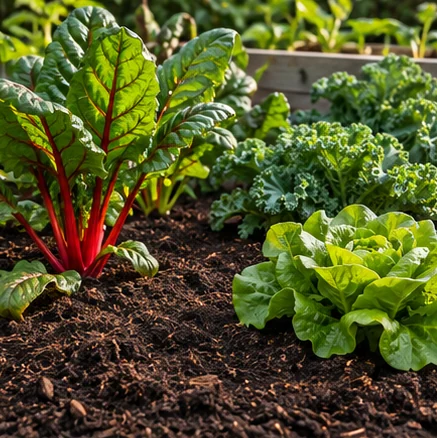
Compost works as both a surface cover and a gentle soil improver. Its dark color makes foliage stand out, while earthworms gradually draw organic matter into the ground. Spread one or two inches around vegetables, herbs, and hungry flowers.
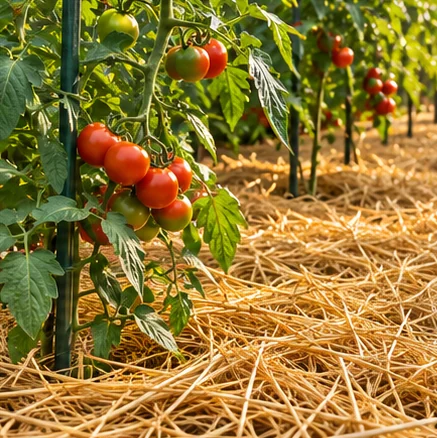
3. Straw for vegetables
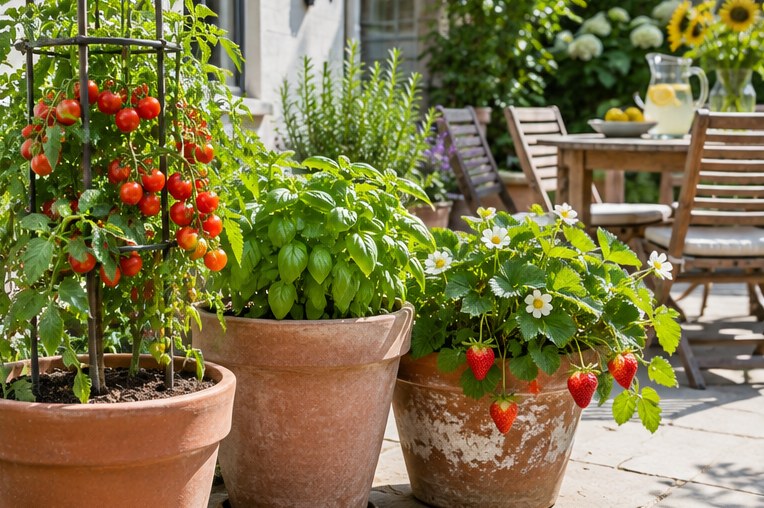
Clean, seed-free straw is light, easy to spread, and handy in vegetable patches. It cushions strawberries above wet soil, reduces mud splashing on leaves, and makes harvests cleaner. Use straw instead of hay, which may contain weed seeds.
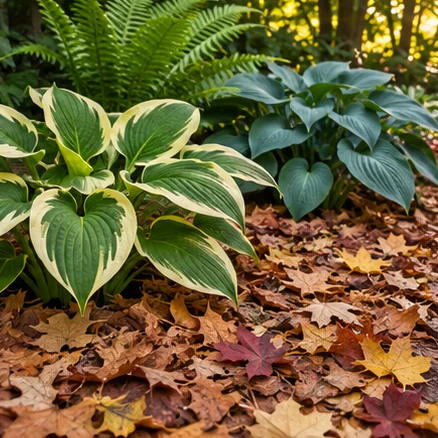
4. Shredded leaves
Autumn leaves can become one of the most useful materials in your yard. Shred them with a mower so they settle into a light layer instead of forming a soggy blanket. Chopped leaves suit woodland plants, perennials, and shrubs.
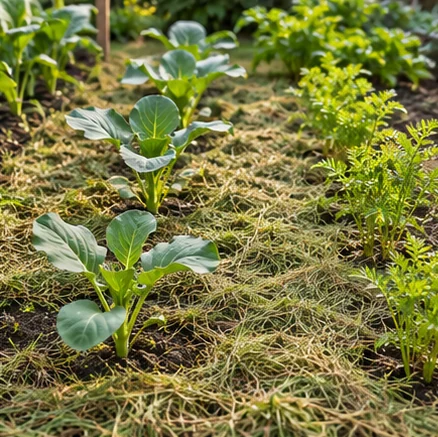
5. Grass clippings
Wilted grass clippings make a convenient garden mulch alternative when your lawn is untreated. Let them dry for a day, then spread a thin layer around vegetables or ornamental plants. Small applications dry faster and leave air spaces.
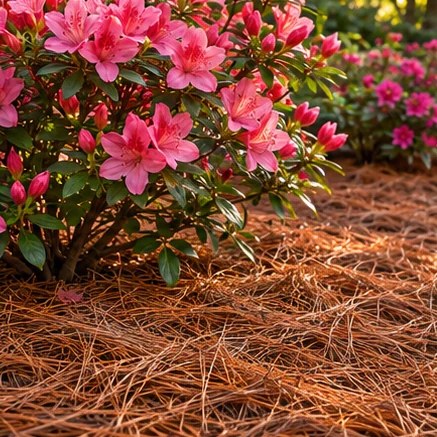
6. Pine needles
Pine needles create a loose cover that lets rain pass through and resists blowing away once settled. They work well in woodland gardens, informal paths, and around plants that prefer acidic soil, such as many blueberries and azaleas. Needles do not sharply acidify soil overnight, despite a common myth.
7. Wood chips for trees
Wood chips work well across larger landscape areas. They last, look polished, and may be available from local tree services. Spread them in a wide, shallow ring beneath trees to protect soil from foot traffic and reduce moisture loss.
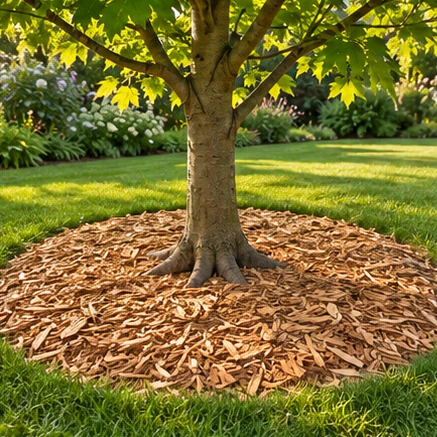
8. Bark nuggets
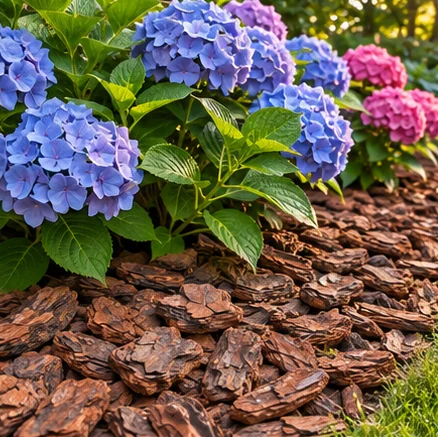
Chunky bark nuggets create a decorative finish and break down more slowly than finely shredded bark. Use them in broad shrub beds or around plants with strong shapes. Their large pieces can float or roll, so they are better on flat ground than steep banks.
9. Gravel for dry gardens
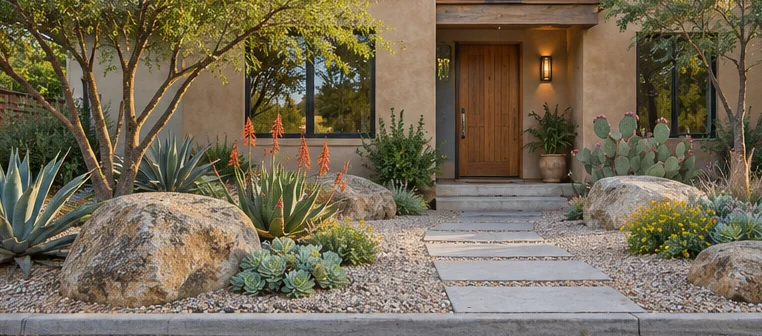
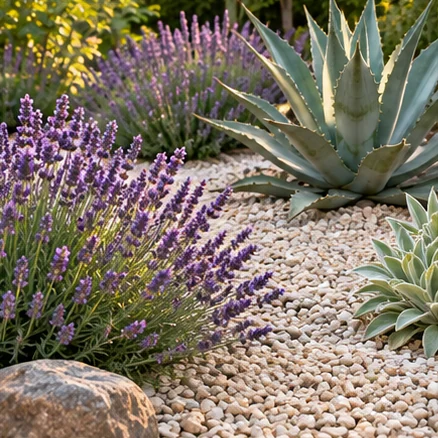
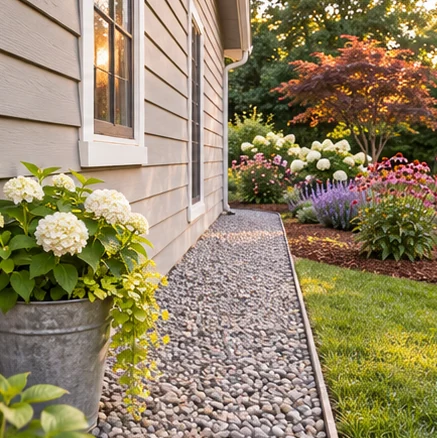
Gravel is a low-maintenance cover for rock gardens, sunny patios, and drought-tolerant plants. It does not decompose, so it needs less frequent replacement than organic mulch. Pale stones can brighten a small courtyard.
10. Pebbles for pots
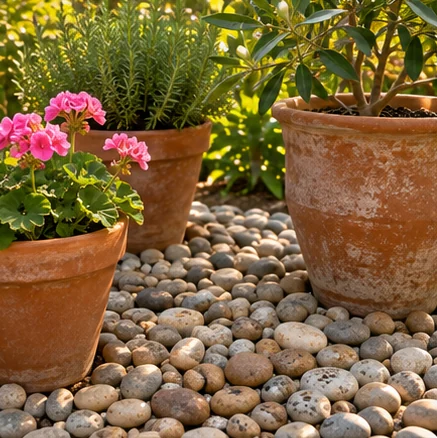
Small pebbles make a clean top dressing for succulent planters, containers, and compact courtyard beds. They reduce soil splash and help a pot look finished. A thin layer is enough; heavy stones can compact potting mix and make containers hard to move.
11. Wood-chip garden mulch path
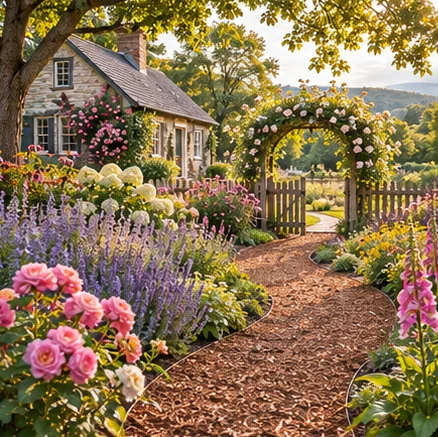
A garden mulch path feels welcoming, costs little, and is comfortable underfoot. Mark the route, remove turf, and add edging to hold chips in place. If grass keeps returning, lay overlapping plain cardboard, wet it, and cover it with several inches of wood chips.
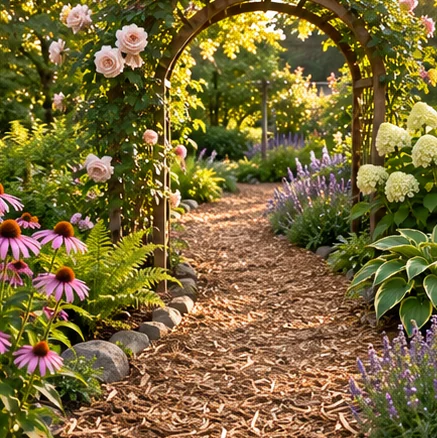
12. Cardboard weed barrier
Plain, uncoated cardboard and newspaper can smother weeds beneath mulch. Remove tape, labels, and glossy inserts, overlap sheets, soak them, then cover them with compost, straw, or chips. This is useful when turning a patch of lawn into a bed.
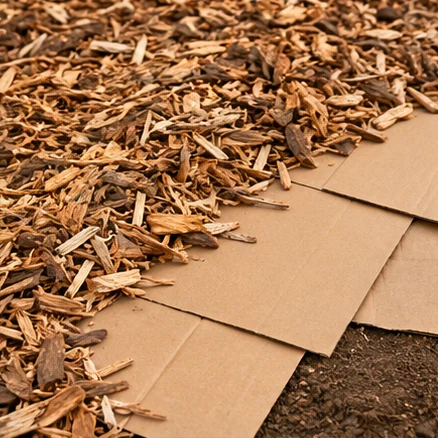
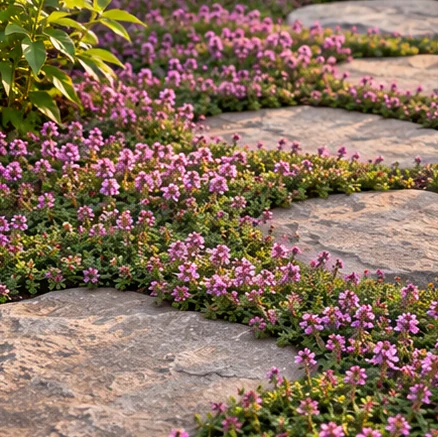
13. Living groundcover
A living mulch is a low-growing plant cover that shades soil and softens garden edges. Creeping thyme, clover, or suitable native groundcovers can support pollinators as well. Choose a species that suits your light, moisture, and maintenance needs.
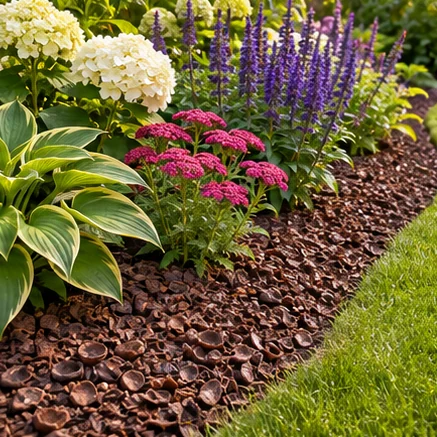
14. Specialty mulch
Cocoa hull mulch has a rich color and sweet scent, but it is not right for every household. It can be toxic to dogs if eaten, so avoid it where pets may nibble or play. Check the label and choose another material if you have curious animals.
15. Raised beds and containers
Raised beds dry faster than in-ground beds because their sides are exposed to air. A light cover of straw, leaves, or compost helps even out moisture between waterings. Keep mulch loose around seedlings so you can inspect plants and reach soil.
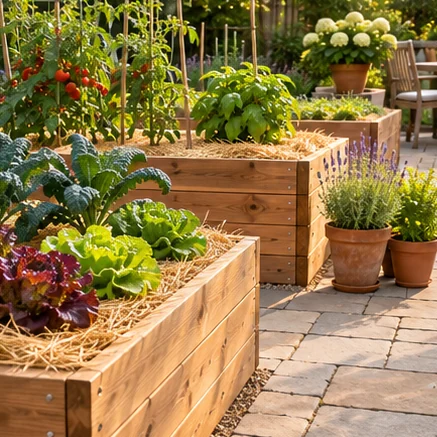
16. Use color and texture
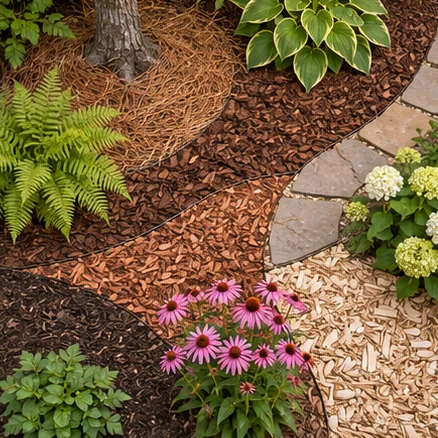
Mulch affects the whole look of a garden. Dark bark can make green foliage feel vivid, pale gravel can lift a shaded corner, and leaf mulch blends into a woodland bed. Choose one or two textures across connected areas so the yard feels calm instead of patchy.
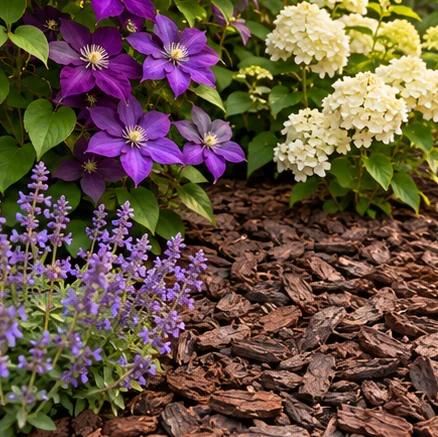
17. Mulch slopes
Slopes shed water and can send light mulch downhill. Choose shredded bark, compost, or fiber mulch that tangles slightly, then work across the slope in short sections. Groundcovers and small terraces can slow runoff.
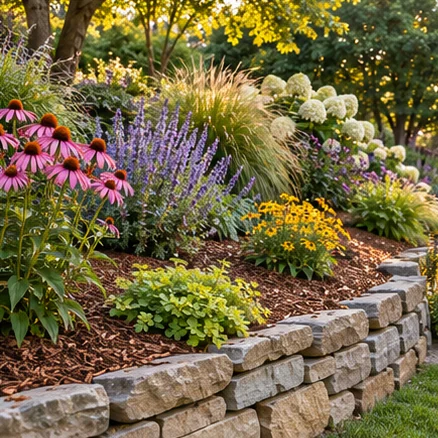
18. Refresh mulch carefully
Inspect mulch each spring before adding anything. Pull it aside in a few spots to see the soil, then fluff compacted material and top up only where the layer has thinned. New mulch piled over a deep old layer can hold too much moisture and hide problems.
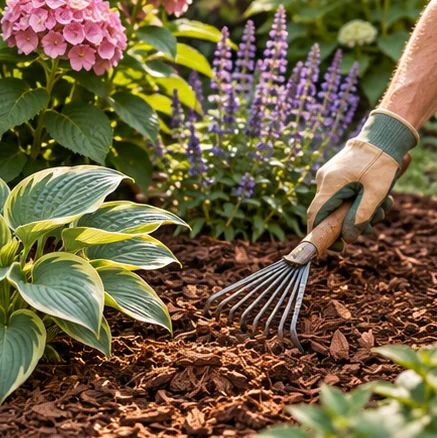
19. Pets, kids, and fire safety
Choose mulch with the way your household uses the yard in mind. Avoid toxic materials where pets may chew, select soft surfaces around play areas, and keep mulch away from flames and hot equipment. In wildfire-prone regions, follow local guidance about combustible mulch near buildings.
20. Match the mulch to the job
Use organic mulches when you want them to break down and add organic matter. Choose stone when a permanent cover suits the plants and climate. Chips fit paths and large beds; straw suits vegetables; compost improves soil; leaves offer a free seasonal cover.
Make a simple mulch plan
Before you buy anything, walk around the garden and note where the soil dries quickly, where weeds keep returning, and where people naturally walk. Those clues point to the right project. A vegetable bed may need a soft, seasonal cover, while a sunny dry corner may be happier with gravel and drought-tolerant plants.
Measure each area so you can buy a reasonable amount instead of guessing. Check the mulch depth already in place, look at the product ingredients, and compare delivery costs with local options. If you are unsure, start with one bed or a short stretch of path. You can observe how the material handles rain, watering, and foot traffic before repeating it elsewhere.
- Choose the plant area or path you want to improve.
- Match the material to moisture, slope, pets, and upkeep.
- Clear weeds, water the ground, and leave stems uncovered.
- Spread a moderate layer and check it after a few weeks.
Common mulching mistakes to avoid
- Piling mulch against trunks: leave a clear gap around tree bark and plant stems.
- Spreading too deeply: start with a modest layer and check how it settles.
- Using contaminated materials: avoid treated clippings, glossy paper, and unknown waste.
- Ignoring water needs: stone warms quickly, while thick organic layers hold moisture.
- Skipping the edge: edging keeps a garden mulch path neat and prevents chips from wandering.
Already have a thick layer? Rake it back, check the soil and roots, and remove excess rather than adding more. A little observation beats following a one-size-fits-all rule.
Conclusion: start small and let the garden guide you
The smartest mulch is one that protects your soil, suits your plants, and makes the space easier to enjoy. Try compost or straw in a vegetable bed, leaf mulch beneath shrubs, and a sturdy wood-chip garden mulch path where feet tend to wander. Keep layers moderate, leave stems clear, and refresh only when the ground needs it.
Pick one small area this week and test a material before redoing the whole yard. Your plants will tell you what is working—and your watering can may get a well-earned break. Which corner are you going to mulch first?